




Click here to read the full article.
SPOILER ALERT: This article contains major spoilers for “You Can See Everything,” now playing in theaters.
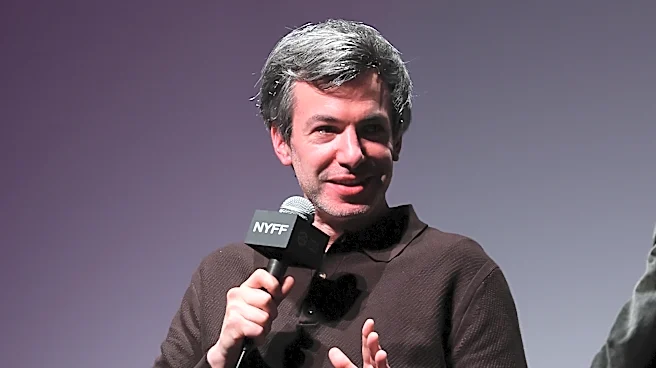
Nathan Fielder and Lance Oppenheim’s “You Can See Everything” will not be in the running for the Directors Guild
of America Awards top prize this season.
A representative for the DGA confirmed to Variety that the A24 documentary about Theranos founder Elizabeth Holmes will compete solely in the outstanding directorial achievement in documentary category and will not be considered for outstanding directorial achievement in theatrical feature film, the award that has aligned with the best director Oscar in all but a handful of years since 1949.
The guild referenced in its own rule book, which explains the entry criteria for theatrical feature film award as “re-releases, animated films and documentaries are not eligible.” That line in the rule book seems to leave no room for a hybrid or an exception.
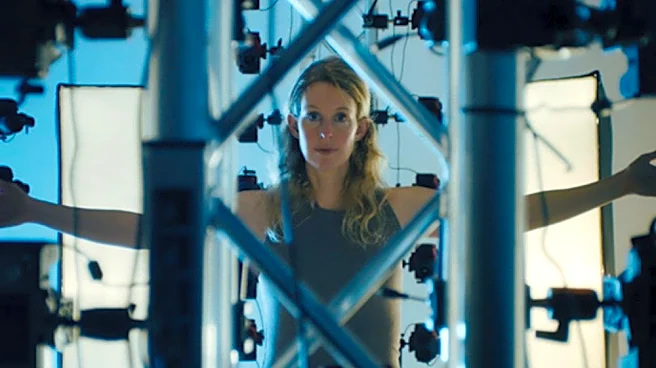
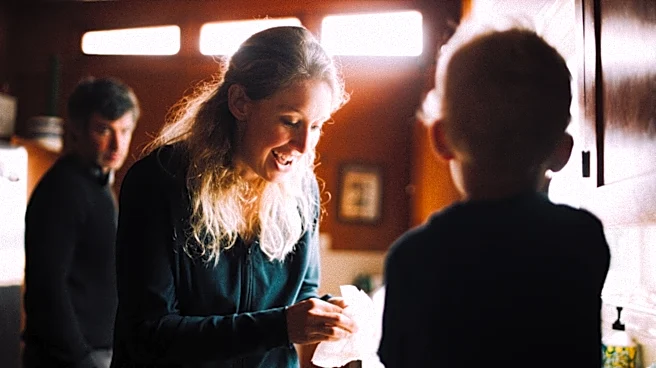
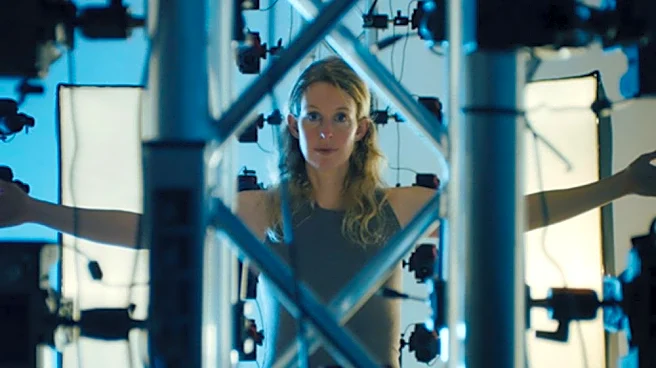
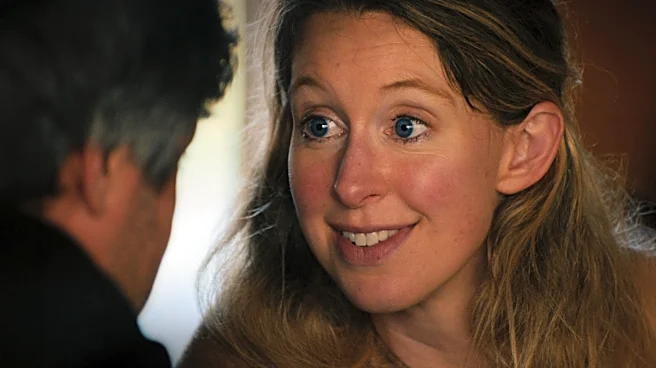
A24 and several awards strategists had hoped to get around the classification. The thinking inside the studio and among consultants was that the film’s unusual construction, which blurs the line between nonfiction and staged narrative, might have allowed the guild to treat it as a both a feature and a documentary. The argument gained momentum after Amanda Seyfried, who appears in the film and previously won an Emmy for playing Holmes in the Hulu limited series “The Dropout,” was positioned for acting consideration at the Oscars for supporting actress.
The DGA sees it differently. The guild classifies films based on how they are produced and submitted, and “You Can See Everything” is a documentary by that measure, regardless of how other awards bodies or voting blocs choose to interpret it.
The ruling matters because the DGA feature award is one of the most reliable bellwethers in the Oscars. Only eight times in the guild’s history has the DGA winner failed to go on to win the Oscar for best director. Without a shot at that prize, the film loses a key piece of precursor momentum, though a documentary win at the guild could still bolster its standing in the Academy’s documentary feature and best picture, a category that has never had a nonfiction film nominated.
The 174-minute film opened in theaters on Oct. 16 and has drawn some of the strongest reviews of the year and exceptional box office, with critics and audiences debating whether to categorize it as traditional documentary, a reality television-like concept or something new entirely.
A24 and its strategists remain in active conversations with other guilds and awards bodies, including BAFTA, SAG-AFTRA and the Golden Globes, about how a film like “You Can See Everything” should be classified.
There’s still hope for it to be embraced across the board at the Oscars.
In addition to being eligible for best documentary feature at the 99th Academy Awards, the film will also be submitted as seen on A24’s awards site: best picture (Nathan Fielder, Lance Oppenheim, Tatiana Bears, Maggie Ambrose and Jack Davis), director (Fielder and Oppenheim), supporting actress (Seyfried), supporting actor (Christopher Abbott), production design (Alex DiGerlando and Rebecca Meis), cinematography (David Bolen), costume design (Katina Danabassis), film editing (Adam Locke-Norton), makeup and hairstyling (Stephanie Pasicov and Kerrie Smith), sound (Paul Hsu and Richard Carlos) and original score (Ari Balouzian).
Nominations for the 79th annual DGA Awards will be announced in January.
A24 declined to comment.