




Click here to read the full article.
The details of Paramount’s deal with 12 states settling their antitrust case — paving the way for its takeover of Warner Bros. Discovery, the biggest merger in Hollywood history — have been revealed.
Among the top-line
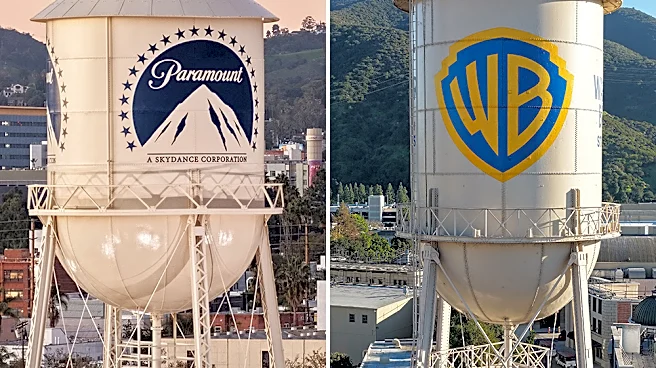
items: Paramount is agreeing to keep its operations in California and has committed to not sell the Paramount Studios or Warner Bros. lots in the state. That comes after Paramount Skydance chief David Ellison had threatened to pull up stakes from the Golden State if he couldn’t close the WBD deal by Oct. 1.
Under the terms of the proposed settlement, Paramount will invest $300 billion on film production in the U.S. annually. The company also has agreed to have a third-party entity — a “news editorial independence board” — oversee news operations of CNN and CBS News, a measure intended to maintain their editorial independence under Paramount’s ownership.
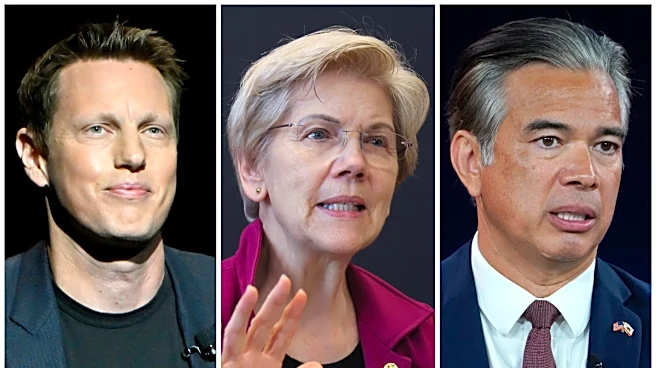
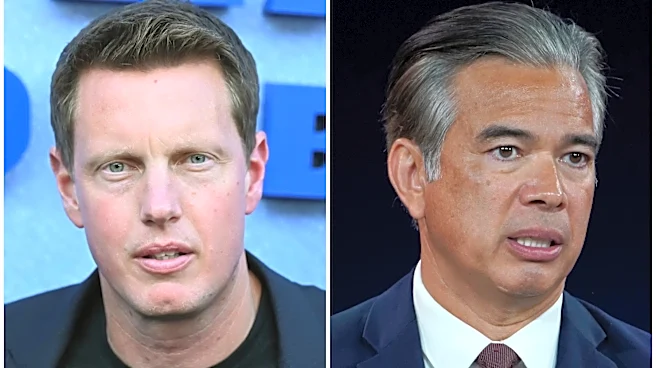
“We are grateful to Attorney General Bonta and his fellow AGs, as well as the WGA, for engaging in good faith to find a path forward to a resolution that serves all parties, and to Governor Newsom for his support throughout this process,” David Ellison said in a statement. “Our shared aim was an outcome that best serves consumers, workers and — most importantly — the creative community so vital to the art of visual storytelling. We’re confident this agreement does exactly that, memorializing a series of commitments that include 30+ films annually and expanded U.S. film production to help revitalize our industry here at home.”
Here are the key points from the settlement, which came after a marathon weekend of negotiations between the two sides:
Movie commitments: Requires theatrical film distribution commitments including: (a) minimum numbers of annual film releases in both the wide release and “tentpole” categories, among others; (b) a commitment to spend at least $300 million more annually on film production in the United States than was spent in 2025; (c) commitments regarding pricing to theaters; and (d) remedies—including divestiture—for breach.
Basic cable: Commitments including, among others: (a) separate negotiations for the distribution of basic cable channels owned by Paramount and Warner Bros. for five years; (b) restrictions on changes to affiliate fee negotiations and agreements with distributors; (c) a restriction on the use of confidential information of one Defendant in the negotiations of affiliate fees for the other Defendant; and (d) remedies—including divestiture—for breach.
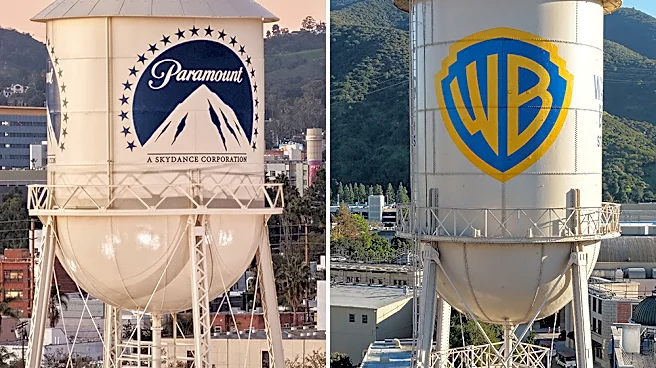
Maintaining WB and Paramount lots: The Proposed Consent Decree includes additional relief for continuing investments in the entertainment industry, including maintaining the production lots of both Defendants, honoring collective bargaining agreements, and committing funds for workforce training.
News oversight board: The Proposed Consent Decree also requires formation of a News Editorial Independence Board to establish guiding editorial and journalism principles for the combined entity’s news channels. The Proposed Consent Decree requires both an internal Compliance Monitor and an independent Monitoring Trustee to ensure the merged company’s compliance with its terms. A State Committee of five states will also oversee enforcement and monitor compliance. The Proposed Consent Decree requests that this Court retain jurisdiction and anticipates that, to the extent required, all enforcement matters will be brought to this Court. The Proposed Consent Decree also provides for consideration to Paramount and Warner Bros. including, among other things, a release of claims, as described in greater detail in the Proposed Consent Decree attached hereto. For all these reasons, the Proposed Consent Decree is substantively fair and reasonable.