



Click here to read the full article.
The World Cup wrapped over the weekend, but the TV industry may well be kicking it around for quite some time. Fox Sports lured massive crowds to the event even though “home teams” from the U.S. and Mexico were eliminated
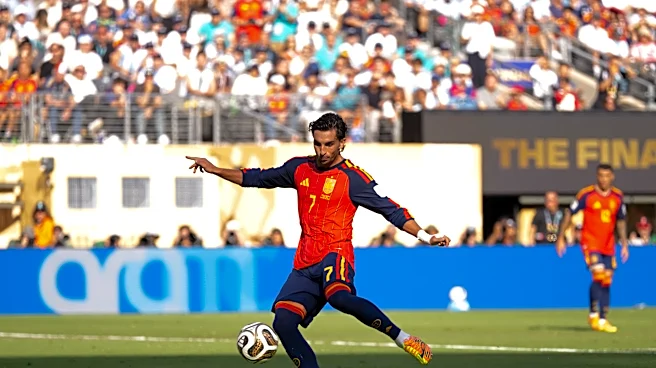
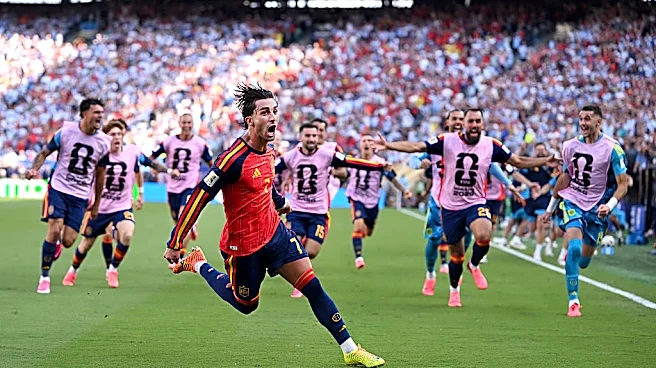
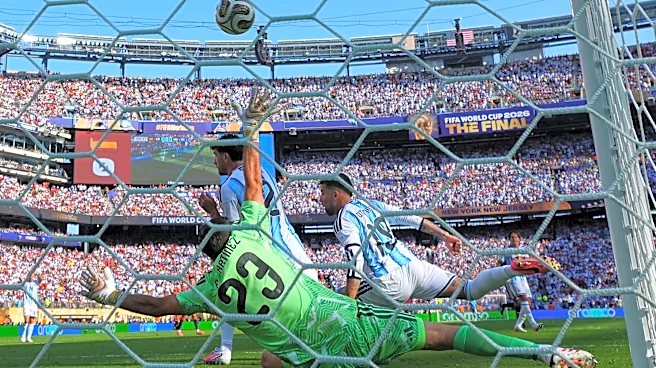
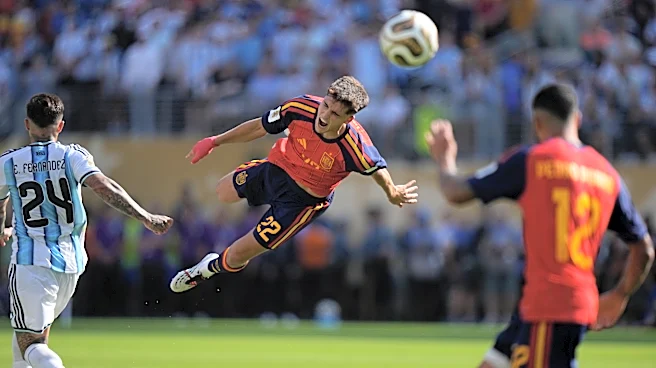
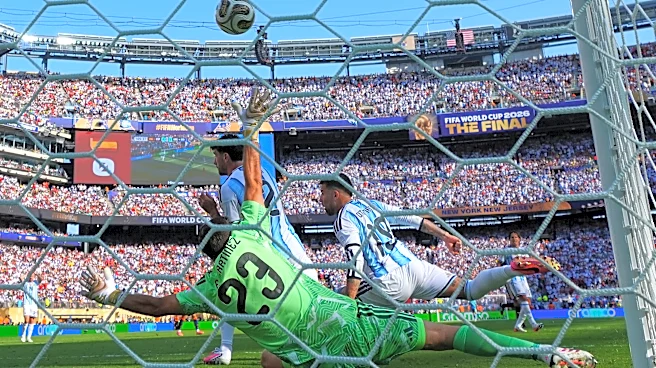
well before the tournament reached its late stages. A game between Argentina and England averaged 15.063 million viewers on Fox, making it the most-watched FIFA Men’s World Cup semifinals match in English-language history, while a match between Spain and France averaged 11.462 million viewers. On Tuesday, Fox said the tournament final between Spain and Argentina final drew 38.9 million viewers, while numbers from Telemundo, which holds Spanish-language rights, estimated 23.9 million people watched its telecast.
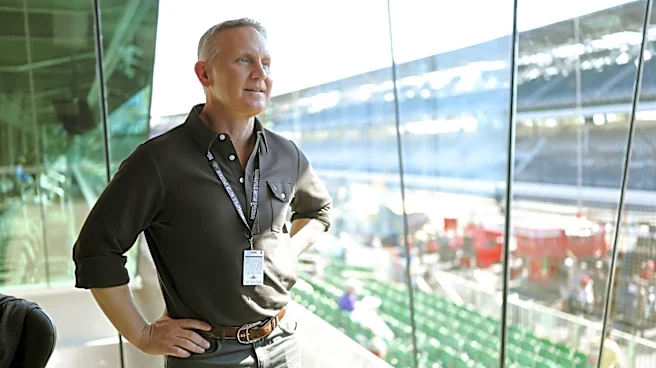
These eye-popping totals suggest “there has to be something other than the competition itself that has reached people to make them interested,” says Eric Shanks, CEO and executive producer of Fox Sports, which has telecast English-language games from 19 different venues over 39 days of play. The executive says interest in the overall event has given rise to large groups watching them in bars and friends’ homes, creating “more of a socio-cultural event than probably anyone could have imagined in their wildest dreams.”
And while much of the focus has been on the field of play, Fox has been experimenting while Spain, Belgium and others aim for goals. After most days of play, Fox Sports has put on a bespoke late-night program for soccer fans led by James Corden. During the matches, Fox Sports has relied on so-called “hydration breaks” that let players take a few minutes to quench their thirst and even think about the state of their games. And throughout the tournament, Fox Sports has allowed its play-by-play team to be freer than one might think during a TV event that generates millions in audiences and advertising.
Perhaps Fox has a natural buffer: sheer numbers. The event is “up over 100 billion minutes of consumption,” says Michael Mulvihill, president of insights and analytics for Fox Sports. “It’s almost a hard figure to even contextualize, but it’s similar to what you’d see at an Olympics or similar to what you might see for an NFL package” for an entire season.
Millions of dollars are at stake with every TV tweak. Total World Cup advertising revenue has hit $666.3 million, according to Guideline, a tacker of ad spending, up from the $441.9 million spent in 2022 and $315.3 million in 2018. Overall, television advertising for the 2026 World Cup has hit $500.1 million, while streaming has accounted for $166.2 million.
Fox Sports’ Shanks makes no apologies for pushing the envelope. Some fans have expressed outrage over the on-air hydration breaks, which come with commercials, but the executive believes the pauses improve overall play. “I think I has made the games more close,” with fewer “blowouts” in scoring, he says. “It makes a difference for players to b e able to collect their thoughts” and for coaches to have time to discuss strategy. “It has probably been a positive for the game,” he adds.
Fox is also pleased with Corden’s after-game work. “It’s what late-night should be. People are talking about what they like,” and the sports-focused option pairs well with a sibling effort, Greg Gutfeld’s 10 p.m. program on Fox News Channel, Shanks says. “I would love to try this with James on other events.”
The sports broadcaster hasn’t looked to placate viewers. Fans have in some instances railed against commentator Alexei Lalas, a veteran analyst, player and soccer executive who has been accused of being too bombastic, and even partisan during his time on air. Strong reaction is good, says Shanks. “That is what everybody hopes for when you produce television. The worst thing in the world is showing something and finding out that people didn’t care.” A month ago, Shanks adds, Lalas was known largely to soccer die-hards, and now a wider crowd is “obsessed with him. That’s incredible.”
Bidding for rights to show the 2030 World Cup is likely to be intense. Walt Disney’s ESPN has already signaled interest in showing the next tournament. Still, the next spectacular comes with different conditions. For one thing, the U.S. won’t be hosting. “One thing in sports TV that you cannot overcome — even with magic — is time zones,” Shanks cautions.
Fox’s next trick is to cajole World Cup fans to stick around for other sporting events. The company has seen spikes during the tournament for IndyCar and Major League Baseball, but whether there is carryover for the longer term remains to be seen. That holds true for the popularity of soccer in the U.S. overall, says Shanks. World Cup provides “a spark that you can use used, but you have to do something with it. It’s not just a magic wand you wave and it’s going to have a lasting effect. You have to capitalize on it. FIFA lit the fuse, and now we have to see what’s going to happen to it.”