







What's Happening?
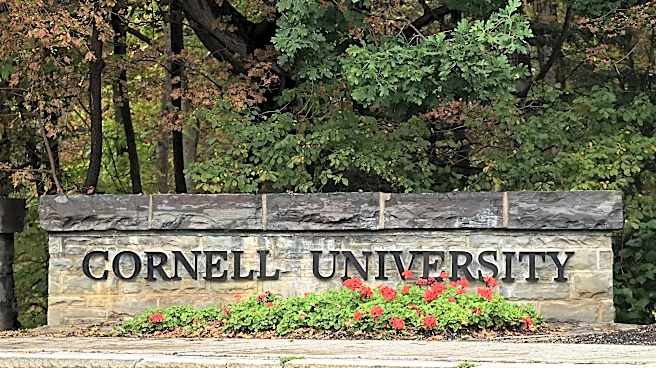
New York Governor Kathy Hochul has appointed a special prosecutor to oversee the investigation into a woman's allegations of gang rape at a Cornell University fraternity house in October 2024. Governor Hochul signed an executive order assigning the office
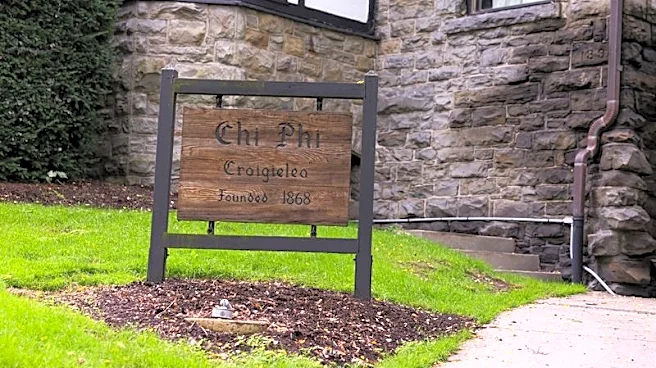
of New York Attorney General Letitia James to the role. This decision comes amidst serious questions regarding the initial investigation conducted by the Cornell Police Department and the Tompkins County District Attorney's decision not to prosecute the case. The governor stated that newly released information has undermined public faith in the District Attorney's ability to effectively handle the matter. The Attorney General's office will now oversee the investigation and, if warranted, present evidence to a grand jury. The alleged victim, identified as Jane Doe in a lawsuit, initially reported being drugged with ketamine and sexually assaulted by multiple men. Her account evolved from initial confusion to a clear assertion of non-consensual acts, as detailed in text messages and police interviews. The university has indefinitely suspended the Chi Phi fraternity and disciplined or expelled some students, though specifics remain confidential due to privacy rules. The local District Attorney, Matthew Van Houten, had previously declined criminal charges but announced a reopening of the investigation based on new information from the woman's lawsuit.
Why It's Important?
This appointment is significant as it underscores a lack of confidence in local law enforcement and prosecutorial bodies to impartially handle sensitive cases, particularly those involving sexual assault on university campuses. The intervention of the state's highest legal office highlights the broader societal concern for justice and accountability in such incidents. For victims of sexual assault, this move could signal a more thorough and unbiased investigation, potentially encouraging others to come forward. It also places increased scrutiny on university police departments and their protocols for investigating serious crimes, especially when they involve students and campus organizations. The case has already roiled the Ivy League campus, raising questions about institutional accountability and the handling of sexual violence allegations. The outcome of this special prosecution could set a precedent for how similar cases are managed across New York State and potentially influence policies at other educational institutions regarding the reporting and investigation of sexual assault.
What's Next?
The New York Attorney General's office will now take over the investigation into the alleged gang rape at Cornell University. This will likely involve a comprehensive review of all existing evidence, including police reports, university internal investigation documents, and the woman's lawsuit. The Attorney General will determine if there is sufficient evidence to present to a grand jury, which could lead to criminal charges against the individuals involved. Cornell's student government has planned a public forum on sexual violence, indicating ongoing student activism and demands for institutional accountability. The university itself has agreed to bring in outside lawyers to independently investigate its handling of the allegations, suggesting potential internal policy changes or reforms. The lawsuit filed by the alleged victim against seven men, the university, and the fraternity will proceed, and the findings of the special prosecutor's investigation could significantly impact its trajectory. The legal proceedings and any subsequent policy changes will be closely watched by victims' rights advocates, university communities, and legal professionals.
Beyond the Headlines
This case delves into the complex and often fraught intersection of campus culture, sexual assault, and the justice system. The alleged victim's evolving narrative, from initial uncertainty to a clear assertion of assault, highlights the psychological impact of trauma and the challenges victims face in processing and reporting such incidents. The role of social media and online forums in shaping public perception and influencing the victim's understanding of her experience also presents a modern dimension to these cases. Furthermore, the involvement of a powerful anesthetic like ketamine raises concerns about drug-facilitated sexual assault and the need for increased awareness and prevention efforts. The legal and ethical implications extend to the responsibilities of universities in ensuring student safety, the conduct of fraternities, and the potential for systemic failures in addressing sexual violence. The appointment of a special prosecutor underscores a broader societal demand for transparency and accountability, pushing beyond the immediate legal outcomes to address deeper issues of consent, victim support, and institutional response to sexual assault.