
What's Happening?
In the Gaza Strip, thousands of displaced Palestinians are enduring harsh winter conditions in makeshift camps as they await progress in ceasefire talks between Israel and Hamas. Many families, displaced by
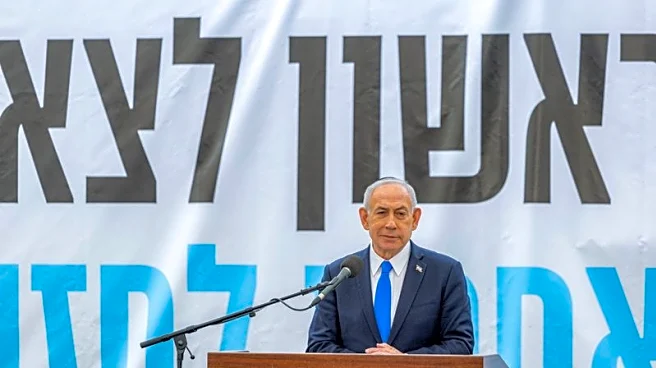
the ongoing conflict, have been living in tents for up to two years. The recent winter rains have exacerbated their living conditions, with tents collapsing and inadequate shelter leading to fatalities from hypothermia. The Gaza Health Ministry reports that dozens, including infants, have died due to the harsh weather and the collapse of war-damaged homes. Aid organizations are calling for increased humanitarian assistance to the region. Meanwhile, Israeli Prime Minister Benjamin Netanyahu is expected to visit Washington to discuss the next phase of the ceasefire, which includes the deployment of an international stabilization force and further Israeli troop withdrawals.
Why It's Important?
The situation in Gaza highlights the severe humanitarian crisis faced by displaced Palestinians, exacerbated by ongoing conflict and adverse weather conditions. The ceasefire talks are crucial for stabilizing the region and providing much-needed relief to the affected population. The outcome of these talks could significantly impact the geopolitical landscape in the Middle East, influencing international relations and humanitarian policies. The humanitarian needs in Gaza underscore the importance of international aid and intervention to prevent further loss of life and to support the rebuilding of the region. The situation also raises questions about the long-term viability of peace efforts and the role of international bodies in conflict resolution.
What's Next?
As ceasefire talks continue, the focus will be on implementing measures to stabilize the region and provide humanitarian aid. The deployment of an international stabilization force and the establishment of a technocratic governing body for Gaza are potential next steps. The international community will be closely monitoring the situation, with potential implications for foreign policy and international aid strategies. The success of these efforts will depend on the cooperation of both Israeli and Palestinian authorities, as well as the support of international stakeholders. The humanitarian situation in Gaza will likely remain a priority for aid organizations and governments worldwide.