





What's Happening?
Stony Brook Southampton recently hosted a 'Food as Medicine Symposium' that brought together community members, health professionals, and experts to explore the profound connections among nutrition, movement, sleep, stress, culture, social connection,
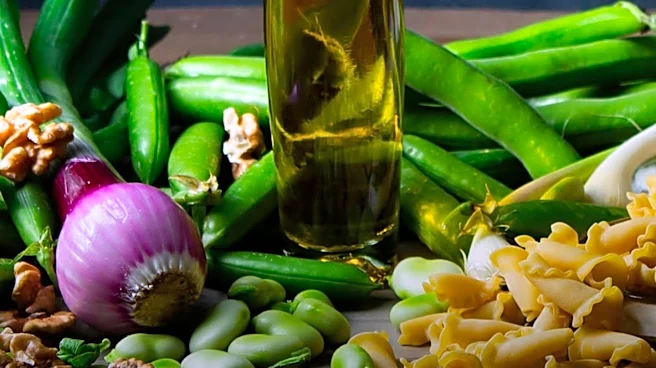
and long-term health. The event, organized by The FoodLab at Stony Brook Southampton, featured presentations from various experts, including Raja Jaber, MD, director of lifestyle and integrative medicine at Stony Brook Medicine, who discussed the habits of communities with longer, healthier lives, emphasizing plant-based diets, physical activity, and strong social connections. Krista Zvoch, director of nutrition for StoryPoint Group, focused on healthy aging and quality of life, highlighting a shift from extending lifespan to extending 'health span.' The symposium also included a culinary demonstration by Paula Montagna, director of clinical nutrition at Stony Brook Southampton Hospital, showcasing how to build nutritious meals with whole foods.
Why It's Important?
This symposium signifies a growing recognition in the U.S. healthcare and wellness sectors of food's central role in preventing and managing chronic diseases. By bringing together diverse perspectives—from medical professionals to cultural historians and culinary experts—the event promotes a holistic approach to health that extends beyond traditional medicine. The emphasis on 'health span' over mere 'lifespan' reflects a societal desire for not just longer lives, but lives lived with vitality and independence. For the food industry, this trend could drive demand for whole, minimally processed foods and plant-based options. For policymakers, it underscores the potential for public health initiatives that integrate nutrition education, community engagement, and lifestyle medicine, potentially leading to healthier populations and reduced healthcare burdens.
What's Next?
The FoodLab at Stony Brook Southampton plans to expand its nutrition education programming, building on the success of this symposium. This could involve more community workshops, educational resources, and collaborations with local food producers and healthcare providers. The insights shared at the symposium may influence local health policies and community-based wellness programs, encouraging greater integration of lifestyle medicine principles. There is also potential for increased research into the cultural and social aspects of food and health, as highlighted by Sohl Lee's presentation on miyeok-guk. The focus on empowering individuals to take control of their health through diet and lifestyle suggests a future where personalized, preventive health strategies become more prevalent, moving away from a purely reactive, disease-treatment model.
Beyond the Headlines
The 'Food as Medicine' movement represents a fundamental shift in how society views health and illness. It challenges the reductionist approach of treating symptoms with pharmaceuticals by emphasizing the foundational role of diet and lifestyle. This paradigm shift has profound cultural implications, encouraging a return to traditional foodways, community-based eating, and a deeper connection to the source of our food. It also highlights the interconnectedness of individual health with environmental health, as discussed in the context of seaweed ecosystems. Ethically, it promotes food equity and access to nutritious options for all, recognizing that healthy eating is not just a personal choice but a societal responsibility. The symposium's focus on hospitality and shared dining experiences in memory care also underscores the emotional and social dimensions of food, reminding us that nourishment extends beyond mere caloric intake to encompass well-being and human connection.