





What's Happening?
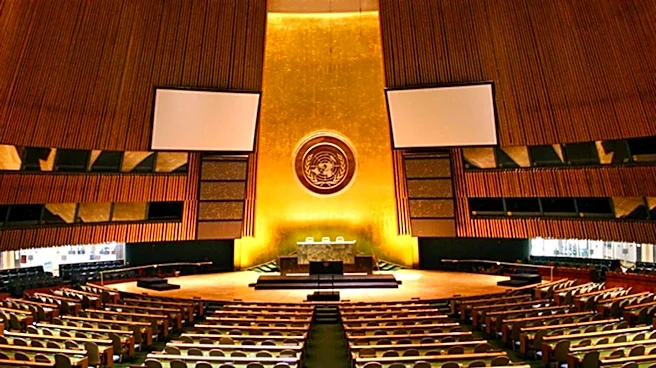
UNAIDS has welcomed the adoption of the Political Declaration on Pandemic Prevention, Preparedness and Response (PPPR) by the United Nations General Assembly on October 12, 2026. This declaration is seen as a significant reaffirmation of global solidarity
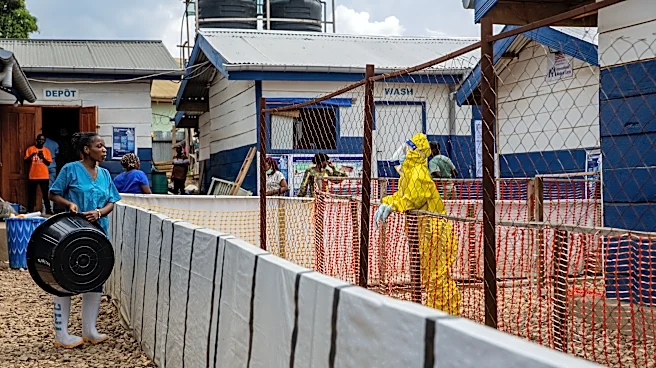
and multilateral cooperation in addressing growing health threats. UNAIDS particularly highlighted the Declaration's emphasis on equity, cooperation, and benefit-sharing, drawing lessons from past health crises such as AIDS, COVID-19, and Ebola. The organization stresses that health security relies not only on scientific innovation and robust health systems but also on ensuring that life-saving technologies and services are accessible to everyone, especially the most affected communities.
Why It's Important?
This declaration is crucial for establishing a unified global framework to tackle future pandemics, aiming to prevent a repeat of the inequities and challenges faced during the COVID-19 crisis. The emphasis on equity and benefit-sharing means that developing nations and vulnerable populations should have fair access to vaccines, treatments, and diagnostic tools, rather than being left behind. This approach seeks to mitigate the economic and social disparities exacerbated by previous pandemics. By promoting international cooperation, the declaration aims to strengthen global health infrastructure, facilitate rapid information sharing, and ensure a coordinated response to emerging health threats. It underscores the understanding that a pandemic anywhere is a threat everywhere, making collective action essential for global health security.
What's Next?
Following the adoption of the Declaration, UNAIDS is urging governments to promptly finalize an equitable agreement on the Pathogen Access and Benefit-Sharing (PABS) system. This agreement is considered a vital next step to translate the commitments of the Declaration into concrete actions. Beyond PABS, UNAIDS advocates for stronger commitments to technology sharing and increased investment in local and regional production of life-saving health technologies. The goal is to build capacities to combat current pandemics and ensure equitable access to resources when the next pandemic strikes. These efforts aim to create a more resilient and equitable global health system, better prepared to respond to future outbreaks and protect all populations.
Beyond the Headlines
The UN General Assembly's Political Declaration on Pandemic Prevention, Preparedness and Response, championed by UNAIDS, signifies a critical shift towards a more proactive and equitable global health strategy. It acknowledges that health crises are not merely medical events but complex challenges with profound social, economic, and ethical dimensions. The call for technology sharing and local production addresses the historical imbalance where wealthier nations often monopolize essential medical resources during emergencies. This initiative could foster greater self-reliance in health infrastructure for developing countries, reducing their dependence on external aid and strengthening their ability to respond independently. Ultimately, this declaration represents a long-term vision for global health governance, aiming to embed principles of fairness and collective responsibility into the international response to future health threats.