




What's Happening?
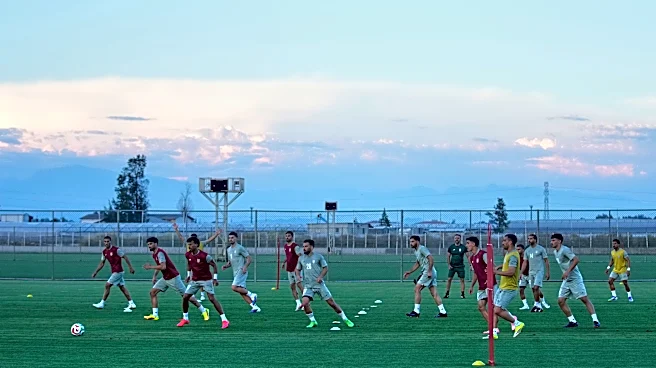
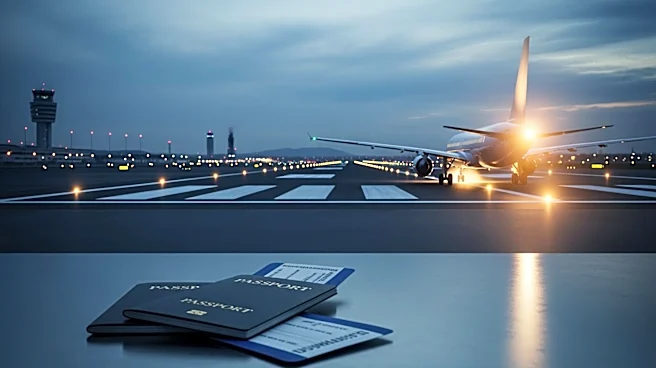
The U.S. State Department has issued visas to the Iranian soccer team, allowing them to participate in the upcoming World Cup. This development comes amid heightened political tensions between the U.S. and Iran, exacerbated by recent military conflicts
involving Iran's supreme leader. The issuance of visas was confirmed by the U.S. State Department, which emphasized that the process was carefully managed to prevent any potential security threats. Despite the approval for players and essential support staff, some Iranian officials were denied entry due to alleged connections with Iran's Islamic Revolutionary Guard Corps. The situation reflects the complex diplomatic landscape, as the U.S. aims to balance security concerns with international sports diplomacy.
Why It's Important?
The decision to grant visas to the Iranian soccer team is significant as it underscores the intersection of sports and international diplomacy. The U.S. aims to maintain its security protocols while allowing for international sports participation, highlighting the delicate balance between political tensions and global sporting events. This move could influence U.S.-Iran relations, potentially opening channels for dialogue amidst ongoing conflicts. The participation of Iran in the World Cup also serves as a reminder of the broader geopolitical dynamics at play, where sports can act as a platform for engagement even amidst strained diplomatic relations.
What's Next?
As the World Cup approaches, the focus will be on how the Iranian team navigates the tournament under the shadow of political tensions. The U.S. will likely continue to monitor the situation closely, ensuring that security measures are upheld. The outcome of Iran's participation could have implications for future diplomatic interactions between the two nations. Additionally, the international community will be watching to see if sports can indeed serve as a bridge in easing political hostilities.