







What's Happening?
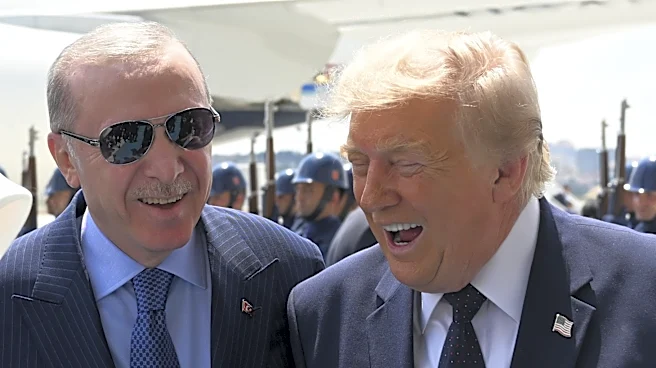
President Trump is experiencing tensions with Italian Prime Minister Giorgia Meloni, a key figure in his international nationalist alliance. The dispute arose after Trump claimed Meloni 'begged' for a photo at the G7 summit, a claim she denied. This spat
highlights the fragile nature of Trump's nationalist coalition, which includes leaders like Hungary's Viktor Orbán and France's Marine Le Pen. The alliance is built on shared opposition to liberal internationalism, but internal conflicts arise when national pride and sovereignty are at stake. Trump's criticism of Meloni's handling of U.S. military requests and her popularity in Italy further complicates their relationship.
Why It's Important?
The discord between Trump and Meloni underscores the challenges of maintaining a cohesive nationalist alliance. Each leader must balance domestic priorities with international relationships, often leading to conflicts when national interests diverge. This situation illustrates the limitations of Trump's strategy to unite nationalist leaders against globalist policies. The fallout could impact U.S.-Italy relations and influence other nationalist leaders' willingness to align closely with Trump's agenda. It also reflects broader geopolitical dynamics, where nationalist rhetoric must be carefully managed to avoid diplomatic rifts.
What's Next?
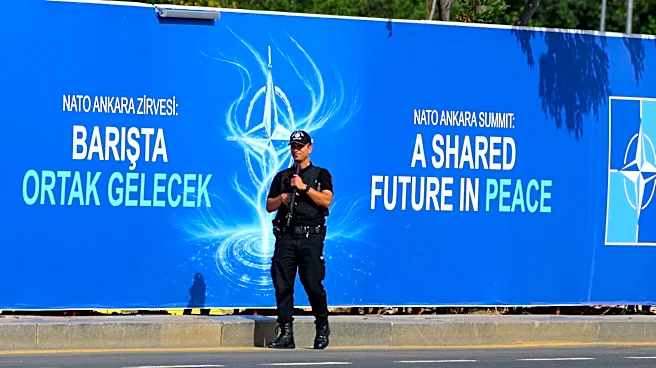
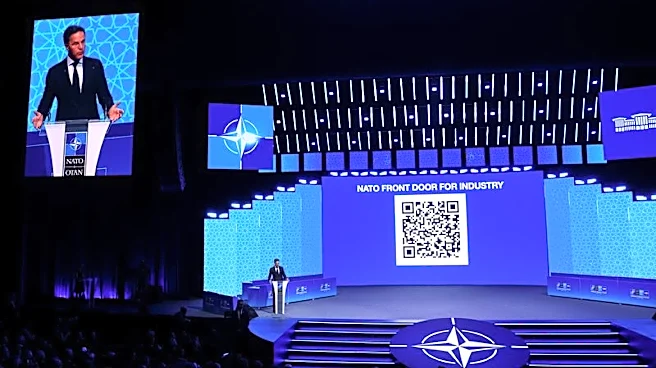
The upcoming NATO summit in Ankara may provide an opportunity for Trump and Meloni to address their differences. However, the underlying tensions within the nationalist alliance are likely to persist. As nationalist leaders navigate their domestic and international roles, further disputes could arise, challenging the stability of Trump's coalition. Observers will watch for any shifts in policy or rhetoric that might signal a realignment of alliances or a change in strategy.
Beyond the Headlines
The feud between Trump and Meloni highlights the inherent contradictions in nationalist politics, where leaders must assert sovereignty while engaging in international cooperation. This dynamic poses a risk to the cohesion of nationalist movements, as domestic audiences demand independence from foreign influence. The situation also raises questions about the long-term viability of nationalist alliances in a globalized world, where interconnected challenges require collaborative solutions.