



What's Happening?
Aims Community College in Colorado has introduced the Enhanced Air Traffic-Collegiate Training Initiative (E-CTI) in collaboration with the Federal Aviation Administration (FAA). This program aims to expedite the training process for aspiring air traffic
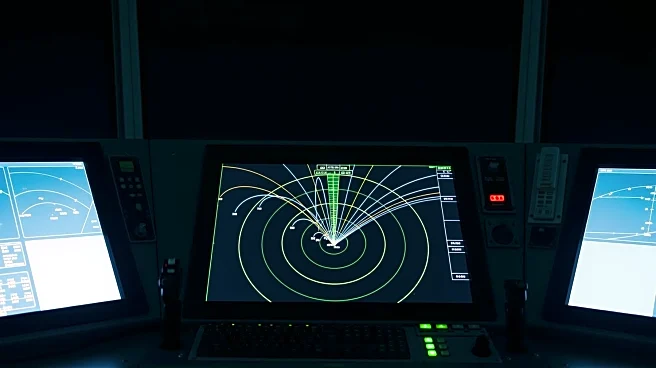
controllers, addressing the current shortage in the field. The E-CTI program allows students to bypass the traditional post-graduate training at the FAA Academy, offering a curriculum that mirrors the academy's training. Students engage in practical exercises using advanced simulation technology at Aims' Windsor campus. The program is designed to prepare students for immediate entry into the workforce, with a focus on both tower and en-route radar control. Aims is the first institution in Colorado and the 11th in the U.S. to offer this program, which has been in development since 2024.
Why It's Important?
The introduction of the E-CTI program at Aims Community College is significant due to the critical shortage of air traffic controllers in the United States. The U.S. Government Accountability Office reports a 6% decline in air traffic controllers over the past decade, while the number of flights has increased by 10%. This shortage poses risks to air travel safety and efficiency. By providing a faster and more accessible training pathway, Aims aims to fill the gap in the workforce, ensuring that the growing demand for air traffic management is met. The program not only benefits students by offering a lucrative career path but also enhances the overall safety and reliability of the national airspace system.
What's Next?
As the E-CTI program progresses, Aims Community College expects to graduate its first cohort of students in the spring. These graduates will undergo FAA performance assessments to ensure they meet industry standards. The program's success could lead to its expansion, potentially influencing other educational institutions to adopt similar initiatives. The FAA's involvement and support suggest a commitment to addressing the workforce shortage, which may result in further collaborations and innovations in air traffic control training. Additionally, the program's graduates are likely to find employment opportunities quickly, given the high demand for qualified air traffic controllers.