



What's Happening?
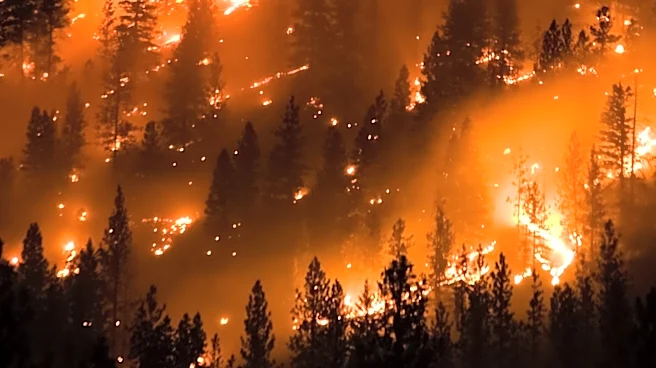
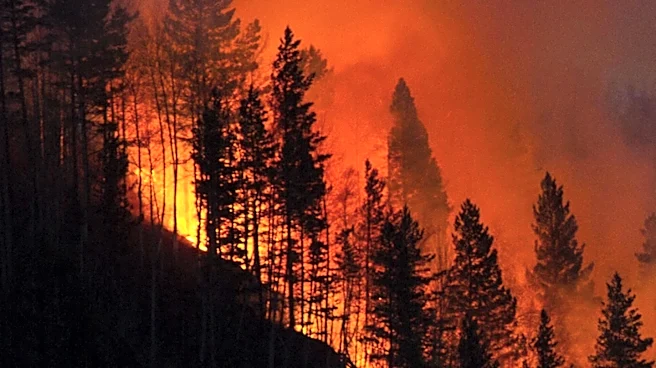
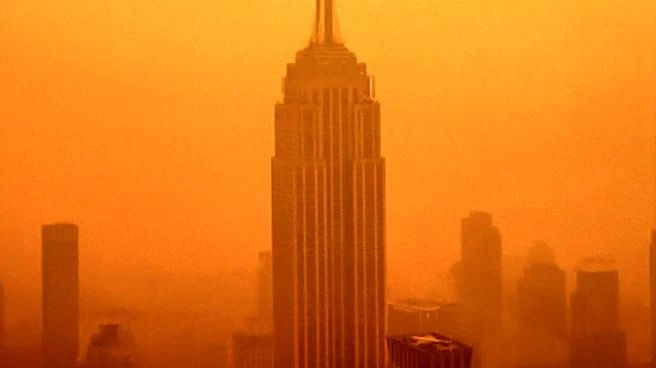
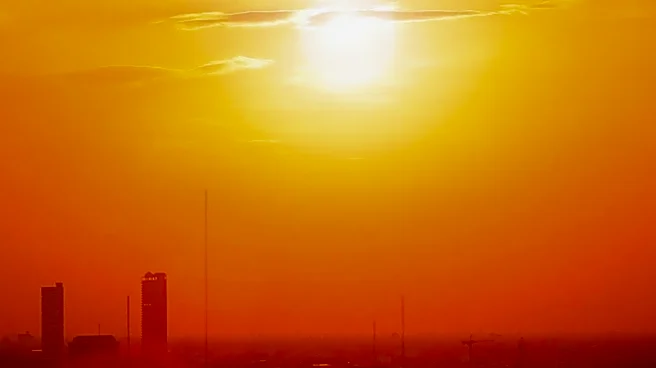
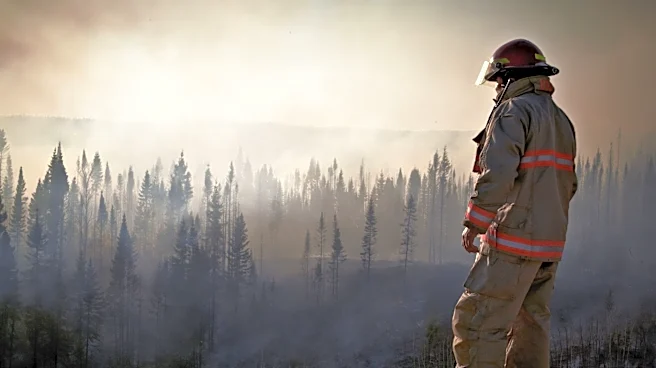
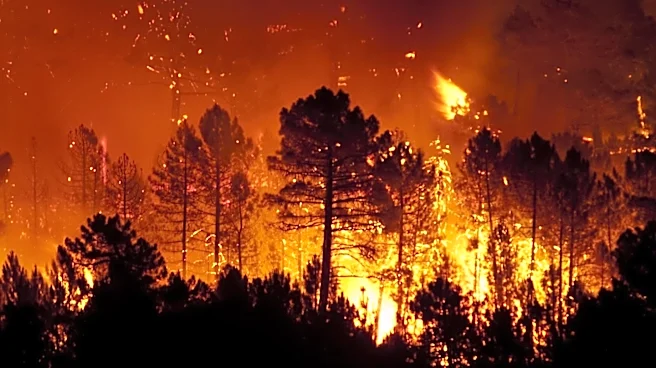
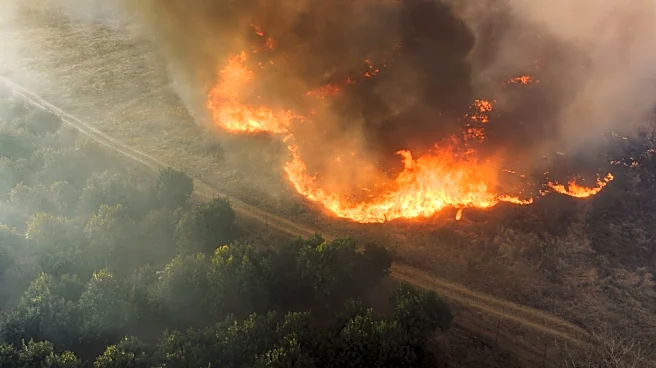
Smoke from Canadian wildfires has led to air quality alerts across the Midwest and Northeast U.S. States like Wisconsin, Michigan, and Minnesota have issued alerts as smoke continues to affect air quality. The Air Quality Index in some areas, such as Duluth,
Minnesota, has reached hazardous levels. The smoke is expected to linger through Friday, affecting millions of Americans. Health officials warn of the dangers of fine particulate matter in the smoke, which can penetrate deep into the lungs and cause health issues.
Why It's Important?
The widespread air quality alerts highlight the significant impact of Canadian wildfires on U.S. air quality and public health. The situation underscores the need for cross-border cooperation in addressing environmental challenges. The health risks associated with wildfire smoke, particularly for vulnerable populations, emphasize the importance of public health preparedness and response. The alerts also reflect broader environmental issues, such as climate change, that contribute to the increasing frequency and severity of wildfires.
What's Next?
As the smoke continues to affect air quality, health officials are likely to issue further guidance and updates. The situation may prompt discussions on long-term strategies to address the root causes of increased wildfire activity, including climate change mitigation efforts. Public health measures, such as the distribution of masks and public awareness campaigns, may be implemented to protect vulnerable populations.