




What's Happening?
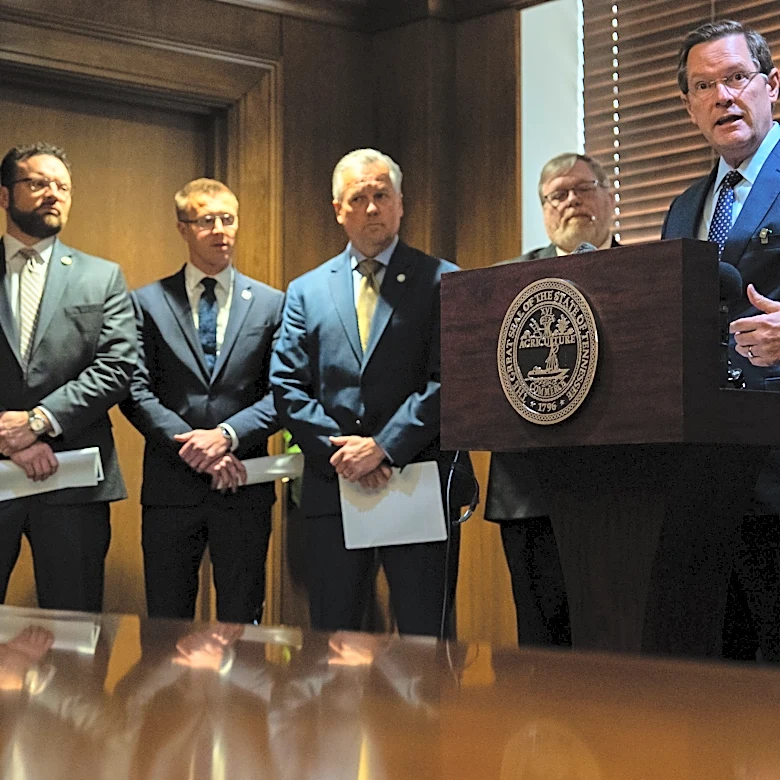
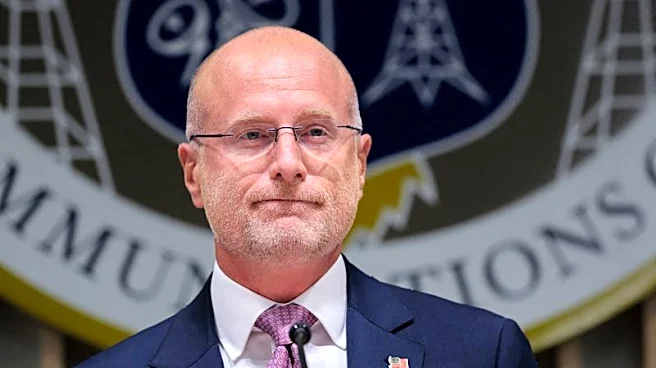
U.S. Representative Richard Hudson, who chairs the House Energy and Commerce Subcommittee on Communications and Technology, and Federal Communications Commission (FCC) Chairman Brendan Carr visited Moore County, North Carolina. Their visit included a tour
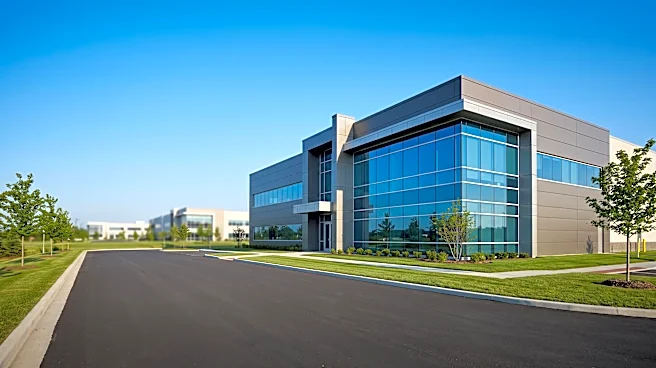
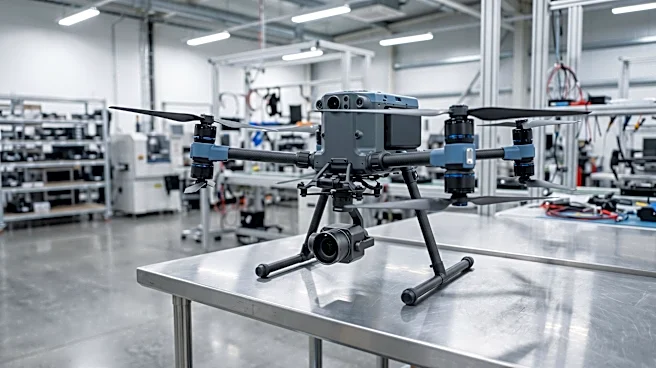
of Dracoe’s manufacturing facility in Aberdeen, a veteran-owned company specializing in domestic drone manufacturing and emerging drone technology. Following this, they visited the Moore County 911 Center to observe the county’s Next Generation 911 (NG911) technology in operation and meet with local public safety officials and dispatchers. The discussions at Dracoe focused on domestic drone production and federal policies affecting both domestically and foreign-produced drones. At the 911 Center, the focus was on the advanced internet-based NG911 infrastructure, which offers improved location information, text and multimedia communication capabilities, enhanced cybersecurity, and better coordination between emergency call centers and first responders. Moore County has been utilizing North Carolina’s NG911 network since 2021 and provides Text-to-911 services.
Why It's Important?
This visit underscores the growing importance of domestic drone manufacturing for national security and economic development, particularly in regions like Moore County near Fort Bragg. The discussions on federal policy regarding drones highlight the government's efforts to balance technological advancement with regulatory oversight and national interests. Furthermore, the focus on Next Generation 911 technology is crucial for enhancing public safety and emergency response capabilities across the U.S. Upgrading 911 infrastructure to internet-based systems improves the efficiency and effectiveness of emergency services, potentially saving lives through better communication and location accuracy. The bipartisan legislation introduced by Representative Hudson and U.S. Rep. Troy Carter to establish a federal grant program for NG911 upgrades demonstrates a commitment to supporting states, tribes, and local 911 centers in adopting these critical advancements. This initiative addresses the need for continued investment in emergency communications, ensuring citizens have access to timely and effective assistance.
What's Next?
The bipartisan legislation introduced by Representative Hudson and U.S. Rep. Troy Carter, which aims to establish a federal grant program for Next Generation 911 (NG911) upgrades, will proceed through the legislative process. This bill includes provisions for system deployment and maintenance, cybersecurity, training, and public education, indicating a comprehensive approach to modernizing emergency communications. The visit by federal officials to Moore County provides valuable firsthand insight into both drone manufacturing and emergency communications technology, which could inform future policy decisions and funding allocations. Local officials and industry representatives will continue to engage with federal authorities to discuss Moore County’s role in drone manufacturing and its existing emergency communications capabilities. The ongoing consideration of federal policies affecting drone technologies suggests potential regulatory changes or new initiatives to support domestic production and address the evolving landscape of drone usage.
Beyond the Headlines
The convergence of domestic drone manufacturing and advanced emergency communications in Moore County highlights a broader trend of technological integration in critical national infrastructure. The emphasis on veteran-owned businesses like Dracoe in the drone sector not only supports economic growth but also leverages the expertise of former service members, contributing to national defense capabilities. The push for Next Generation 911 technology reflects a societal expectation for more sophisticated and resilient emergency services, moving beyond traditional voice-only systems to incorporate multimedia and enhanced data. This technological shift also raises questions about data privacy, cybersecurity, and the equitable distribution of advanced emergency services across diverse communities. The legislative efforts to fund these upgrades underscore the recognition that modernizing public safety infrastructure is a shared responsibility requiring federal support and local implementation, ultimately impacting the safety and well-being of all U.S. citizens.