





What's Happening?
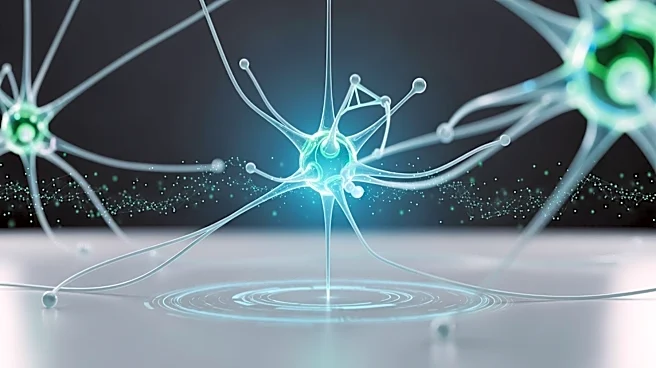
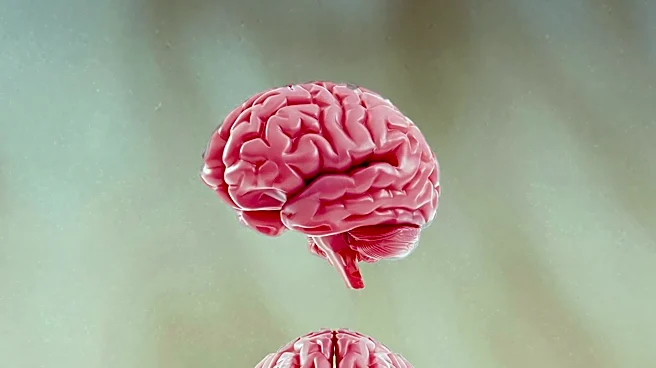
Researchers at VIB and KU Leuven have utilized machine learning to identify distinct subtypes of Parkinson's disease, potentially paving the way for personalized treatment approaches. The study, published in Nature Communications, used fruit fly models
to observe the effects of genetic mutations associated with Parkinson's. The findings revealed two main types and five subtypes of the disease, each with unique molecular signatures. This discovery suggests that Parkinson's should be viewed as a collection of related conditions, each requiring tailored therapeutic strategies.
Why It's Important?
This research marks a significant step towards personalized medicine for Parkinson's disease, a condition known for its variability in patient response to treatment. By identifying specific subtypes, healthcare providers can develop targeted therapies that address the unique biological mechanisms of each subtype, potentially improving treatment efficacy and patient outcomes. This approach could also reduce the trial-and-error process often associated with Parkinson's treatment, leading to more efficient and effective care. The study's implications extend beyond Parkinson's, as the methodology could be applied to other complex diseases with diverse genetic underpinnings.
What's Next?
The next phase of this research involves translating these findings into clinical practice, starting with familial forms of Parkinson's and expanding to idiopathic cases. Researchers aim to develop subtype-specific biomarkers and therapeutic interventions, which could lead to more precise clinical trials and treatment protocols. Collaboration with pharmaceutical companies and regulatory agencies will be crucial to advancing these personalized therapies from the lab to the clinic. As this research progresses, it may also influence healthcare policies and funding priorities, emphasizing the importance of personalized medicine in treating complex diseases.
Beyond the Headlines
The identification of Parkinson's subtypes highlights the growing importance of genetic research in understanding and treating neurological disorders. This approach raises ethical considerations regarding genetic testing and data privacy, as well as the need for equitable access to personalized treatments. Additionally, the study underscores the potential of AI and machine learning in revolutionizing medical research, offering new insights into disease mechanisms and treatment strategies. As personalized medicine becomes more prevalent, healthcare systems may need to adapt to accommodate these advancements, ensuring that all patients benefit from tailored therapeutic approaches.