

What's Happening?
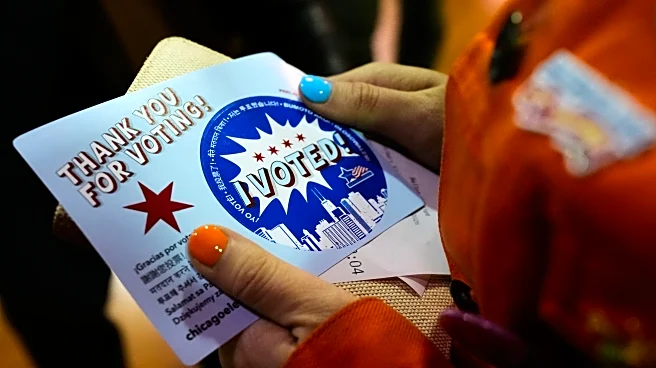
The U.S. Senate is currently debating the SAVE America Act, a bill championed by President Trump and his allies, which aims to enforce stricter voting regulations by requiring proof of citizenship and photo ID for voter registration and voting. Despite
its introduction, the bill faces significant hurdles, including a lack of bipartisan support necessary to overcome a filibuster. The proposal has sparked controversy, with critics arguing it could disenfranchise millions of voters, particularly those who have changed names or moved states. Proponents, however, view it as a necessary step to secure elections, despite the lack of evidence supporting widespread voter fraud.
Why It's Important?
The SAVE America Act is a focal point in the ongoing national debate over election security and voter access. Its potential impact on voter turnout and the administrative burden it places on election officials are significant concerns. The bill's introduction reflects broader efforts by some Republicans to reshape election laws in response to unfounded claims of voter fraud. The debate highlights the tension between ensuring election integrity and maintaining accessible voting processes, with potential implications for future elections and public trust in the electoral system.
What's Next?
Given the bill's slim chances of passing, its primary impact may be in shaping political narratives and influencing future legislative efforts. President Trump and his supporters may continue to push for similar measures, potentially affecting upcoming elections and legislative priorities. The debate may also prompt further discussions on election reform and voter rights, with potential legal challenges if any similar laws are enacted. Stakeholders, including voting rights advocates and election officials, will likely remain engaged in efforts to ensure fair and accessible voting processes.