





What's Happening?
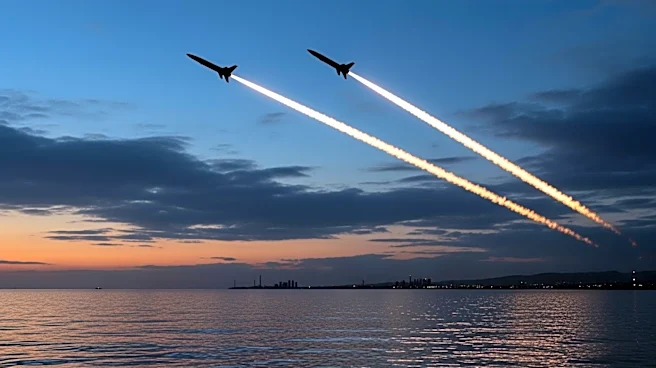
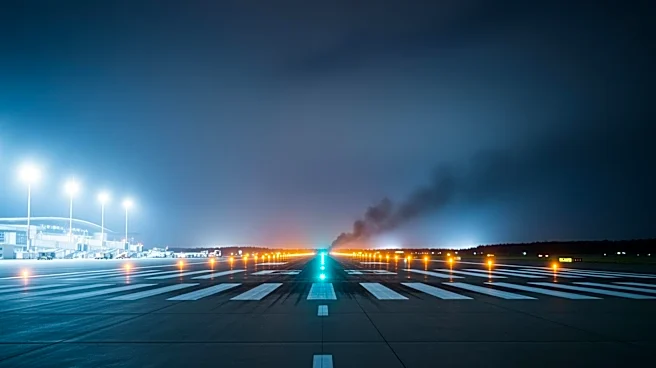
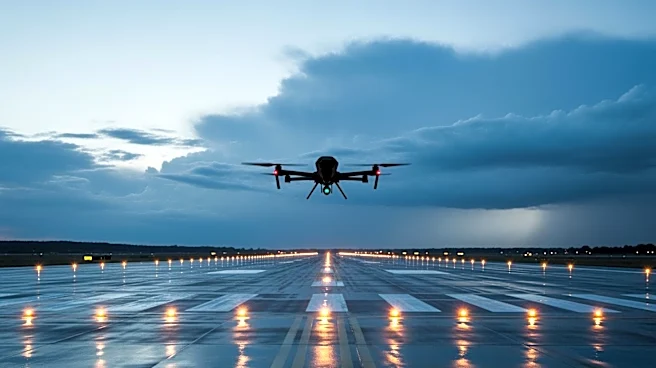
Iran has launched attacks on US military logistics hubs in Kuwait and Bahrain, marking a significant escalation in military tensions between the two nations. The attacks, which included drone and missile strikes, targeted the Kuwait International Airport,
a critical logistics hub for the US military in the region. The strikes resulted in the death of at least one Indian national and numerous injuries. The US military had previously used the Abdullah al-Mubarak Air Base within the airport complex as a logistics hub, which has since been relocated to a new facility known as 'Cargo City'. This facility continues to serve as a major logistics point for US and coalition forces. The Iranian Revolutionary Guards Corps (IRGC) appears to have aimed at disrupting US military operations by targeting these logistics hubs, potentially impacting US military capabilities in the region.
Why It's Important?
The attacks on US logistics hubs in Kuwait and Bahrain by Iran represent a strategic move to disrupt US military operations in the Middle East. By targeting logistics rather than military hardware, Iran aims to increase the economic and political costs of US military actions, potentially extending the timeline for any US military response. This escalation could lead to increased tensions and instability in the region, affecting global oil markets and international relations. The targeting of logistics hubs highlights the strategic importance of these facilities in military operations and underscores the vulnerability of supply chains in conflict zones. The situation also raises questions about the effectiveness of US military defenses and the potential need for increased security measures at critical infrastructure sites.
What's Next?
The escalation in military actions between the US and Iran is likely to prompt responses from both nations and their allies. The US may consider reinforcing its military presence in the region or increasing security measures at logistics hubs to prevent further disruptions. Diplomatic efforts may also be intensified to de-escalate tensions and prevent further military confrontations. The international community, including the United Nations, may become involved in mediating the conflict to prevent a broader regional war. Additionally, the situation could influence US foreign policy decisions and military strategies in the Middle East, potentially impacting future engagements and alliances.
Beyond the Headlines
The targeting of logistics hubs by Iran highlights the evolving nature of modern warfare, where disrupting supply chains can be as impactful as direct military engagements. This approach reflects a shift in military strategy that prioritizes economic and logistical disruption over traditional combat. The situation also raises ethical and legal questions about the targeting of infrastructure that supports civilian and military operations. The potential for collateral damage and civilian casualties in such attacks underscores the need for clear international guidelines and accountability in military conflicts. Furthermore, the ongoing tensions may influence public opinion and political discourse in the US, affecting domestic support for military actions abroad.