





What's Happening?
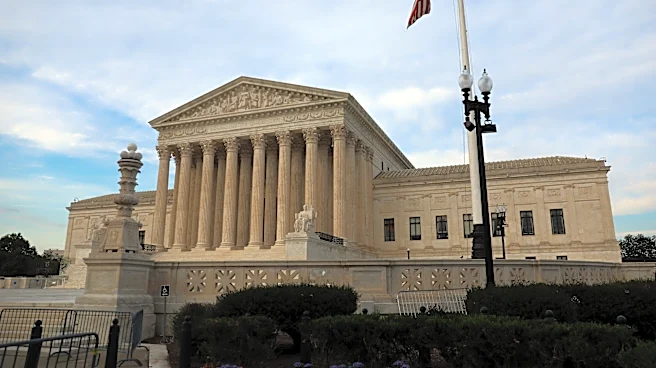
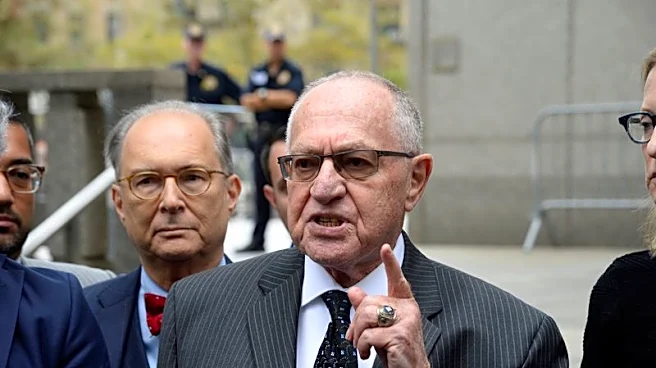
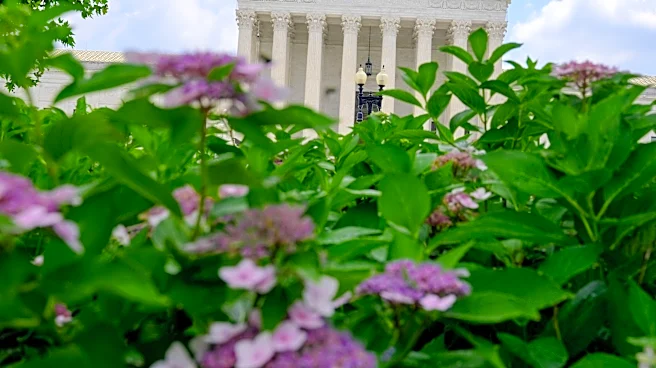
The U.S. Supreme Court has declined to hear Alan Dershowitz's appeal in a defamation case against CNN, thereby upholding the 'actual malice' standard established by the 1964 New York Times v. Sullivan ruling. This standard requires public figures to prove
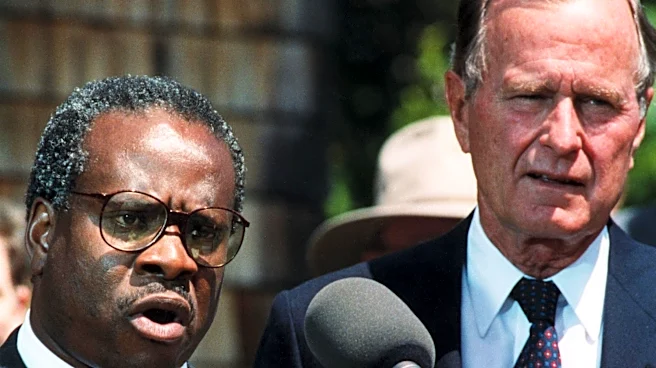
that false statements were made with knowledge of their falsity or with reckless disregard for the truth. Justices Clarence Thomas and Neil Gorsuch dissented, arguing that the standard is too stringent and not aligned with the Constitution. Dershowitz's case stemmed from his representation of President Trump during the 2020 impeachment trial, where he claimed CNN misrepresented his statements.
Why It's Important?
The decision reinforces the protections afforded to the press under the First Amendment, maintaining a high bar for public figures to claim defamation. This outcome is significant for media organizations, as it prevents an increase in defamation lawsuits that could arise from a lower standard. The ruling also highlights ongoing debates about the balance between press freedom and accountability, with some justices advocating for a reevaluation of the 'actual malice' standard to better reflect constitutional principles.
What's Next?
The Supreme Court's decision may not be the final word on this issue, as Justices Thomas and Gorsuch's dissent suggests a continued interest in revisiting the 'actual malice' standard. Future cases could provide another opportunity for the Court to reconsider this precedent. Meanwhile, media organizations will continue to operate under the current standard, which offers significant protection against defamation claims by public figures.