




What's Happening?
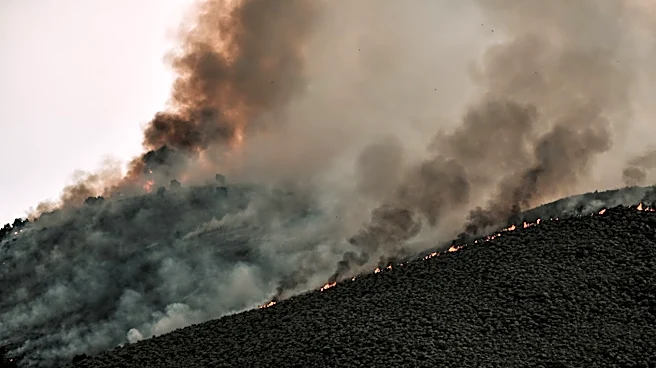
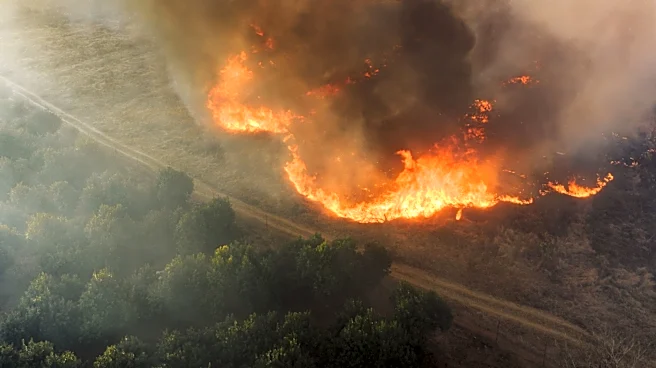
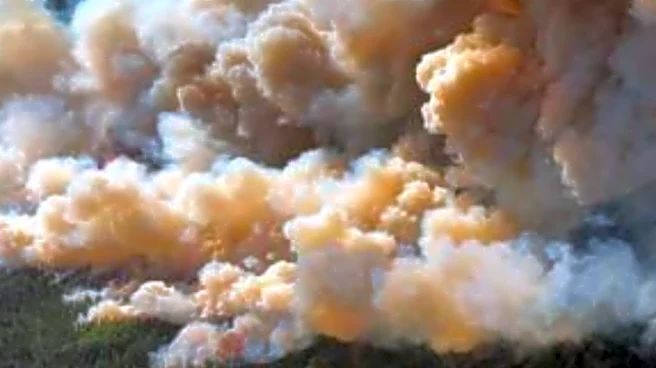
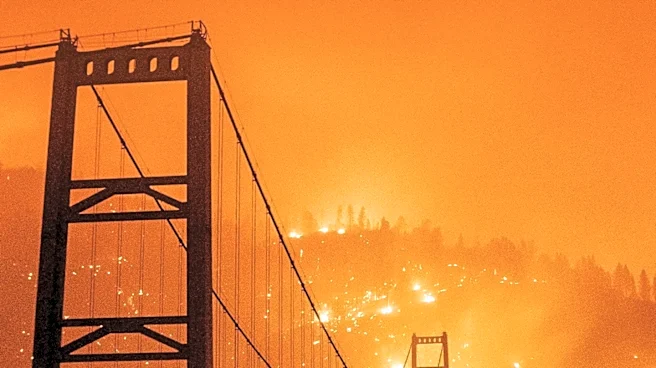
Recent studies have highlighted the severe health impacts of wildfire smoke, which is increasingly affecting the Northern Hemisphere as global temperatures rise. According to medical research, smoke from wildfires can attack nearly every system in the human
body, leading to tens of thousands of deaths each year. The immediate effects include a spike in asthma cases and increased emergency room visits for heart attacks and other cardiovascular and lung issues. Pregnant women are also at risk, with smoke exposure linked to premature births and low-weight babies. Long-term exposure to wildfire smoke is associated with increased risks of cancer and dementia. Dr. Mary Johnson from the Harvard School of Public Health notes that the smoke causes inflammation by triggering the immune system, affecting the brain, skin, and even men's reproductive health. Dr. Courtney Howard, an emergency room physician, describes wildfire smoke as a 'toxic soup' of particles and gases, containing over 1,000 toxins. The National Interagency Fire Center reports that over 5,740 square miles of the U.S. have burned this year, a 31% increase over the average of the past decade.
Why It's Important?
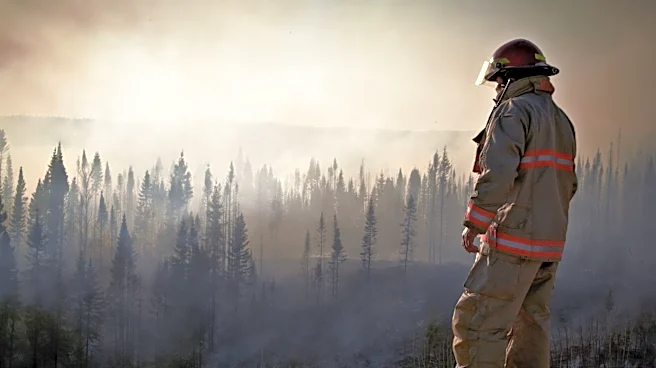
The increasing frequency and intensity of wildfires, driven by climate change, pose significant public health challenges. The health impacts of wildfire smoke are extensive, affecting vulnerable populations such as the elderly, pregnant women, and those with pre-existing health conditions. The economic burden on healthcare systems is substantial, with increased emergency room visits and long-term health care needs. Additionally, the environmental impact of wildfires contributes to a vicious cycle of climate change, as they release large amounts of carbon dioxide and other greenhouse gases. Addressing the root causes of climate change and implementing effective wildfire management strategies are crucial to mitigating these health risks and protecting public health.