
What's Happening?
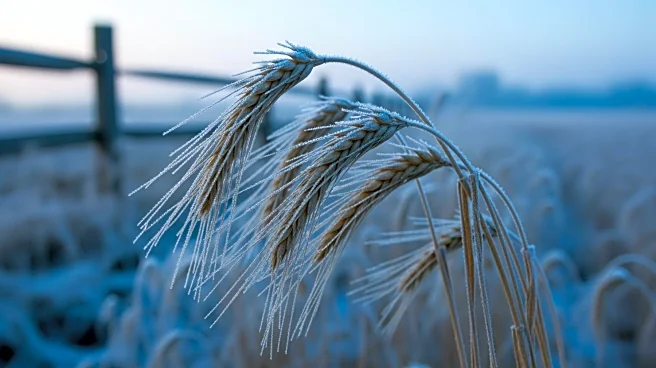
Agricultural and veterinary experts in Punjab have raised concerns over the impact of severe cold and dense fog on the agriculture and dairy sectors. The region has been experiencing cold and foggy conditions
for several days, with forecasts indicating further drops in temperature. Experts from Punjab Agricultural University and Guru Angad Dev Veterinary and Animal Sciences University have highlighted the risks posed to crops and livestock. They recommend measures such as light irrigation, balanced nutrient application, and protective barriers to mitigate the effects of frost on crops. For livestock, the cold can significantly affect milk production and animal health, prompting recommendations for shelter modifications, nutritional support, and healthcare. Farmers are advised to use materials like tarpaulin and straw to block cold winds and ensure proper bedding to reduce heat loss.
Why It's Important?
The extreme weather conditions pose a significant threat to the agricultural and dairy sectors, which are vital to the region's economy. The potential damage to crops and livestock could lead to reduced yields and financial losses for farmers. The recommendations provided by experts aim to safeguard these sectors by minimizing the adverse effects of the cold. Implementing these measures is crucial to maintaining productivity and ensuring the well-being of livestock. The situation underscores the importance of preparedness and adaptive strategies in agriculture to cope with climate variability.
What's Next?
Farmers are expected to implement the recommended protective measures to shield their crops and livestock from the harsh weather. Regular monitoring of crop health and timely interventions will be essential to mitigate potential damage. The agricultural community may also seek further guidance and support from local universities and government agencies to enhance their resilience against such weather challenges. Continued cold weather could prompt additional advisories and support measures to assist farmers in managing the impact on their operations.
Beyond the Headlines
The current weather situation highlights broader issues related to climate change and its impact on agriculture. As weather patterns become more unpredictable, there is a growing need for sustainable farming practices and infrastructure improvements to protect against extreme conditions. The situation also raises questions about the long-term viability of traditional farming methods and the potential need for innovation and technology integration in agriculture to enhance resilience.