








What's Happening?
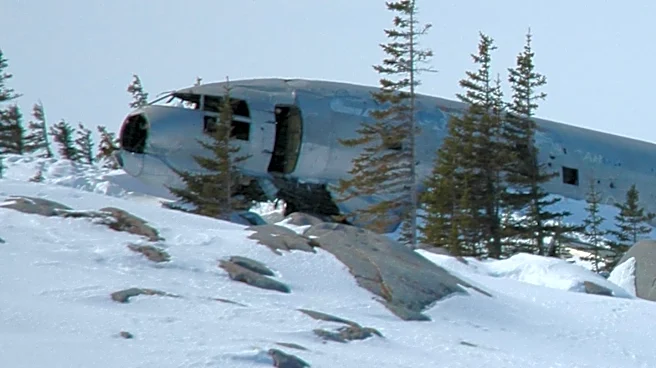
Two individuals have been confirmed dead following a plane crash in Ludlow, Massachusetts. Massachusetts State Police and first responders located the downed aircraft, identified as a Piper, after an extensive emergency response and search operation on Saturday
night. Authorities have not yet released the identities or genders of the two people killed in the crash. The incident remains a developing story, with additional information expected to be released as the investigation progresses.
Why It's Important?
This fatal plane crash in Ludlow highlights the inherent risks associated with general aviation in the U.S. and the critical importance of aviation safety regulations and emergency response capabilities. Each such incident prompts investigations by federal agencies like the National Transportation Safety Board (NTSB) and the Federal Aviation Administration (FAA) to determine the cause, which can range from mechanical failure to pilot error or environmental factors. The findings from these investigations often lead to recommendations for improved aircraft design, maintenance protocols, or pilot training, thereby enhancing overall aviation safety. For the local community, a plane crash can be a deeply unsettling event, raising concerns about air traffic safety and emergency preparedness. The loss of life also underscores the personal tragedies that result from such accidents, impacting families and communities.
What's Next?
The investigation into the Ludlow plane crash is ongoing. Federal authorities, likely including the NTSB and FAA, will conduct a thorough examination of the crash site, aircraft wreckage, and flight data to determine the cause of the accident. This process can be lengthy, involving detailed analysis and expert consultation. Authorities will also work to formally identify the victims and notify their next of kin. As the investigation progresses, more details regarding the circumstances of the crash, potential contributing factors, and any preliminary findings will be released to the public. Depending on the findings, there could be implications for aviation safety protocols, aircraft maintenance standards, or pilot training requirements.
Beyond the Headlines
Beyond the immediate investigation, this incident could spark broader discussions about the safety of small aircraft operations and the regulatory framework governing general aviation in the U.S. It may also bring attention to the challenges of search and rescue operations for downed aircraft, particularly in rural or difficult terrain, and the coordination required among various emergency services. The emotional impact on the families of the victims, as well as on the first responders involved in the recovery efforts, is a significant, though often unstated, consequence. Furthermore, such events can sometimes lead to public debate about the balance between personal freedom in aviation and the need for stringent safety oversight to protect both those in the air and on the ground.