








What's Happening?
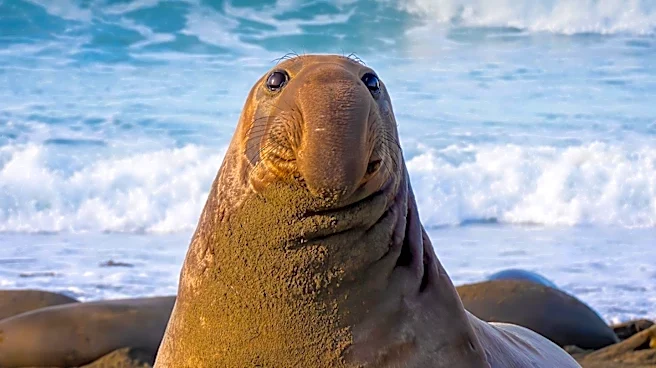
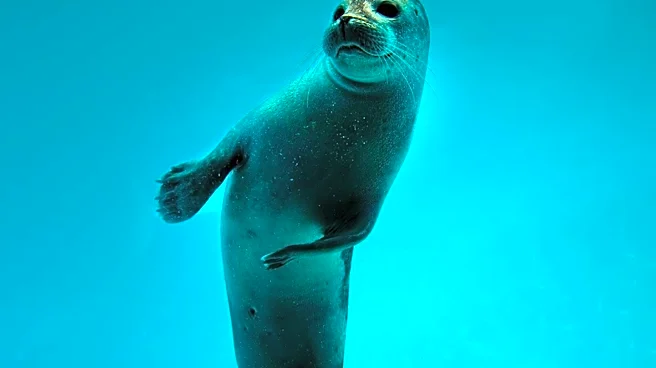
Neil, a 2,200-pound elephant seal, has become a local celebrity in Tasmania, drawing large crowds during his seasonal visits. Despite his popularity, Neil's presence poses challenges for local authorities and residents. The seal, known for his antics
such as blocking roads and interacting with vehicles, has prompted concerns about public safety and his own well-being. Wildlife biologist Sam Thamman emphasized the need for the public to maintain a safe distance from Neil to prevent potential harm. In response to the growing attention, authorities have implemented a 24/7 security detail and are considering a 'non-lethal management plan' to protect both Neil and the public. This plan includes restricted access zones to limit human interaction with the seal.
Why It's Important?
Neil's situation highlights the complexities of wildlife conservation in populated areas. His popularity underscores the public's fascination with wildlife, but also the potential risks when humans and large animals interact closely. The case of Neil draws parallels to other wildlife incidents where human interference led to tragic outcomes, such as the euthanasia of Freya the walrus in Norway. The management of Neil's presence is crucial to ensuring his safety and that of the public, while also preserving the natural behavior of the species. The situation serves as a reminder of the need for effective wildlife management strategies in areas where human and animal habitats overlap.
What's Next?
Authorities in Tasmania are tasked with developing long-term strategies to manage Neil's presence as he continues to grow. This includes preparing infrastructure to withstand potential damage from the seal and educating the public on safe interaction practices. The implementation of restricted access zones is a step towards minimizing human-seal interactions. As Neil's fame grows, ongoing public awareness campaigns will be essential to ensure compliance with safety guidelines. The situation may also prompt broader discussions on wildlife management policies in urban areas, potentially influencing future conservation efforts.