






What's Happening?
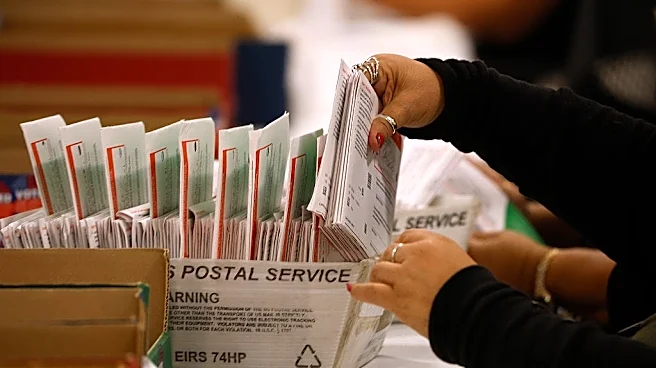
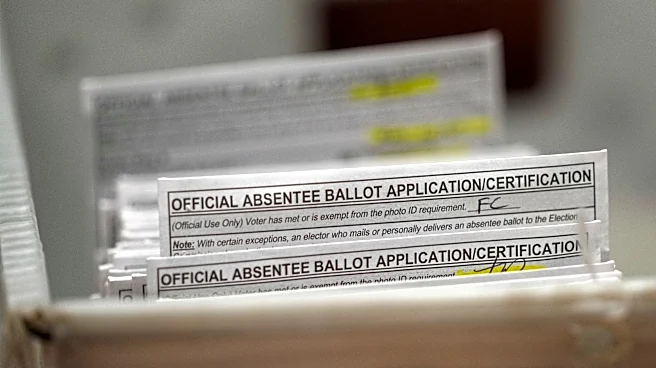
California's recent primary election saw nearly 150,000 mail-in ballots rejected, marking the highest number in recent statewide primaries. The primary reason for rejection was late arrival, despite the state's allowance for ballots to be received up
to seven days post-Election Day if postmarked on time. The rejection rate was 1.73% of all mail ballots cast, with over 93,000 ballots arriving too late. Other reasons included mismatched voter signatures and unsigned return envelopes. The issue has raised concerns about the efficiency of the mail-in voting system and the impact of postal service changes on ballot processing.
Why It's Important?
The high rejection rate of mail-in ballots in California highlights potential vulnerabilities in the state's voting system, which could affect voter confidence and participation. As mail-in voting becomes more prevalent, ensuring timely and accurate processing is crucial to maintaining electoral integrity. The situation underscores the need for effective coordination between election officials and postal services to prevent disenfranchisement due to logistical issues. The outcome of this primary could influence future policy decisions regarding mail-in voting procedures and deadlines, impacting how elections are conducted in California and potentially other states.
What's Next?
In response to the high rejection rate, California election officials may review and revise mail-in voting procedures to address the identified issues. This could involve changes to deadlines, improved voter education on timely ballot submission, and enhanced collaboration with the postal service. The situation may also prompt legislative action at the state or federal level to standardize mail-in voting practices. Stakeholders, including political leaders and advocacy groups, are likely to engage in discussions to ensure that future elections are conducted smoothly and fairly, with a focus on minimizing ballot rejections.