
What's Happening?
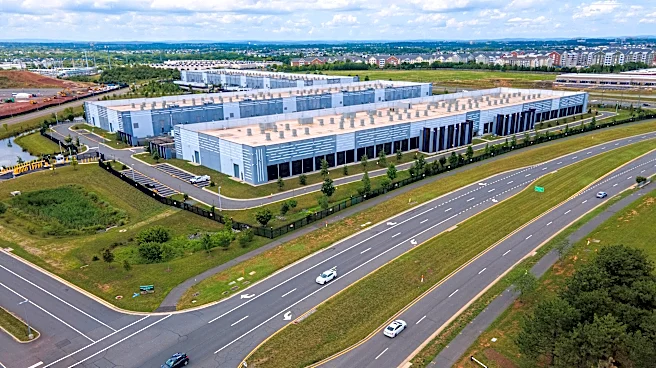
Broken Arrow City Manager Michael Spurgeon announced that city officials are still evaluating the potential effects of data centers, with no immediate projects planned. The City Council previously approved
a moratorium in June on new data center proposals, set to expire at year-end. This moratorium allows officials to thoroughly investigate the impacts of large-scale data centers on local resources and to develop appropriate zoning regulations for council review. Spurgeon clarified that social media rumors suggesting a data center development is a certainty are inaccurate, emphasizing that the administration has not yet reached conclusions or prepared recommendations. The city had previously learned of a proposed data center on 51 acres, but the letter of intent for the property sale expired and was not renewed. A 'Data Center Study Committee,' comprising senior staff and led by Deputy City Attorney James Walters, is tasked with drafting the final ordinance for data center development. The committee is consulting with officials in Oklahoma City, which also has a data center moratorium in place and is considering different classifications for hyperscale facilities.
Why It's Important?
The ongoing study and potential extension of the moratorium in Broken Arrow highlight a broader challenge faced by U.S. municipalities in balancing economic development with environmental and infrastructural concerns. Data centers, while bringing potential investment and jobs, are significant consumers of power and water, and their presence can strain local utilities and infrastructure. The city's proactive approach, including forming a study committee and consulting with other cities like Oklahoma City, demonstrates a commitment to responsible urban planning. This process is crucial for ensuring that any future data center development aligns with the community's long-term sustainability goals and does not adversely impact existing residents or businesses. The discussions with Public Service Co. of Oklahoma (PSO) regarding power capacity and the state law requiring dedicated substations for large facilities underscore the substantial energy demands of these operations and the need for robust utility planning.
What's Next?
Broken Arrow City Manager Michael Spurgeon is seeking a consultant to assist in drafting zoning codes and regulatory modifications for data center proposals. It is possible that Spurgeon will request the City Council to extend the current moratorium for another six months to allow more time for this comprehensive review and the development of robust regulations. The 'Data Center Study Committee' will continue its work, including discussions with officials in Oklahoma City, to inform the drafting of a final ordinance. This ordinance will address various aspects, including land use, utilities, engineering, finance, economic development, legal considerations, public safety, technology, and operational impacts. The city's engagement with PSO will also continue to ensure that any future data center growth can be accommodated without negatively affecting other customers, particularly concerning power generation and grid connection costs.
Beyond the Headlines
The deliberation in Broken Arrow reflects a growing national conversation about the environmental footprint and community integration of data centers. As digital infrastructure expands, cities across the U.S. are grappling with how to manage the influx of these energy-intensive facilities. The focus on 'hyperscale' data centers and their specific power requirements, as seen in Oklahoma City's considerations, points to a future where regulatory frameworks may need to differentiate between various scales of data operations. This situation also brings to light the ethical considerations of resource allocation, particularly concerning electricity and water, in an era of increasing climate awareness. The need for dedicated substations and funding for grid connection costs, as mandated by state law, shifts some of the infrastructure burden to the developers, potentially influencing where and how data centers are built in the future. This could set a precedent for other communities facing similar development pressures.