


What's Happening?
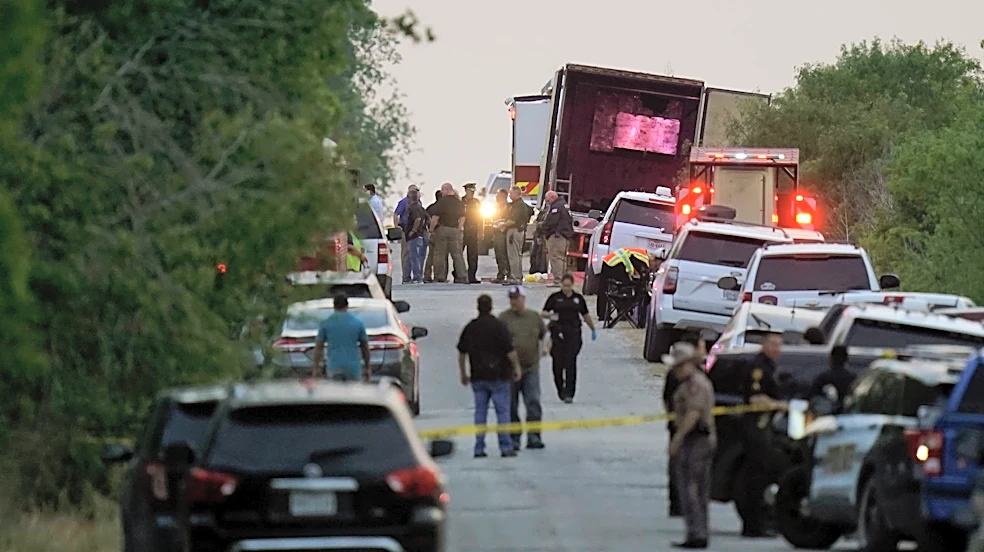
More than 500 volunteers participated in the San Antonio Mass Casualty Exercise and Evaluation (SAMCEE-26) on Wednesday, a large-scale healthcare preparedness exercise designed to test the region's response to a major incident. The drill, which began
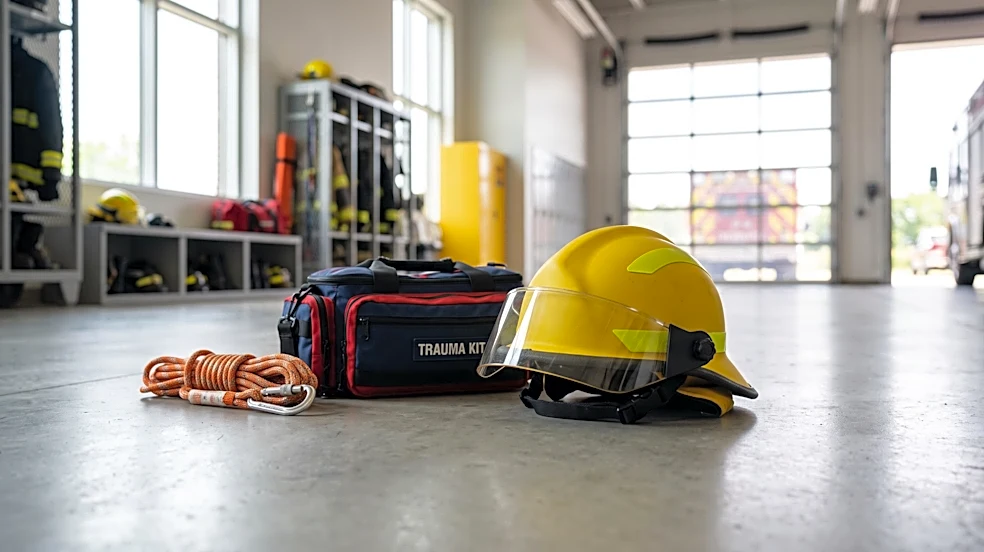
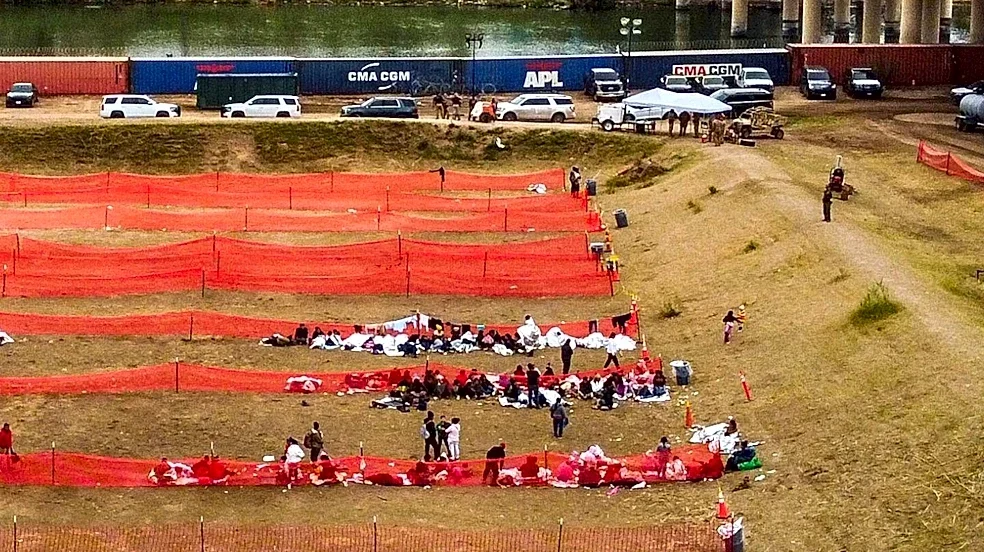
at 8 a.m. at Freeman Coliseum, involved 50 hospitals and healthcare facilities across a 22-county trauma region in South Texas. Participants included major healthcare systems like Baptist, Methodist, CHRISTUS, University Health, UT Health San Antonio, Audie L. Murphy VA Medical Center, and Brooke Army Medical Center, as well as facilities in surrounding counties. The exercise simulated a mass casualty event, with volunteers receiving special-effects makeup to portray trauma patients, who were then transported to participating facilities. The drill aimed to evaluate treatment protocols, hospital surge capacity, patient tracking, communications, logistics, and family reunification processes.
Why It's Important?
This mass casualty drill is crucial for enhancing the preparedness and resilience of the San Antonio region's healthcare and emergency response systems. By simulating a large-scale disaster, the exercise allows hospitals, EMS, and public safety agencies to identify strengths and weaknesses in their current protocols and infrastructure. The evaluation of hospital surge capacity is particularly vital, as it directly impacts the ability to manage a sudden influx of patients during a real crisis. Effective communication and logistics are also critical for coordinating resources across multiple agencies and facilities, ensuring timely and appropriate care. The inclusion of family reunification components addresses a significant humanitarian aspect of disaster response, aiming to reduce distress for affected families. Ultimately, this exercise helps protect public health and safety by ensuring that the region can respond effectively to unforeseen catastrophic events, minimizing casualties and mitigating chaos.
What's Next?
Following the SAMCEE-26 exercise, organizers, led by the Southwest Texas Regional Advisory Council (STRAC), will meticulously analyze the results. This evaluation will identify areas of success and pinpoint specific gaps or deficiencies in the region's emergency response plans, equipment, and training. The findings are expected to inform refinements to existing emergency protocols, guide future equipment acquisitions, and shape subsequent training programs for healthcare professionals and first responders. Stakeholders, including hospital administrators, emergency management officials, and public health authorities, will likely convene to discuss the outcomes and implement necessary improvements. This continuous cycle of planning, equipping, training, and exercising is essential for maintaining a high level of readiness for any future mass casualty incidents.
Beyond the Headlines
The SAMCEE-26 drill extends beyond immediate operational improvements, fostering a culture of preparedness and inter-agency collaboration across the entire South Texas region. Such exercises build critical relationships and trust among diverse organizations, from hospitals and fire departments to county emergency management offices and volunteer groups. This collaborative spirit is invaluable during actual emergencies, where seamless coordination can save lives. Furthermore, the involvement of over 500 volunteers highlights community engagement and awareness regarding disaster readiness, potentially encouraging more citizens to participate in preparedness efforts. The insights gained from this drill could also influence regional public health policies and resource allocation, ensuring that investments are made in areas that yield the greatest impact on community resilience against large-scale emergencies.