






What's Happening?
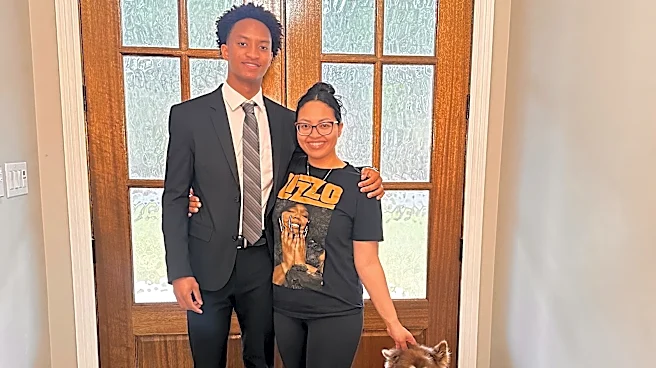
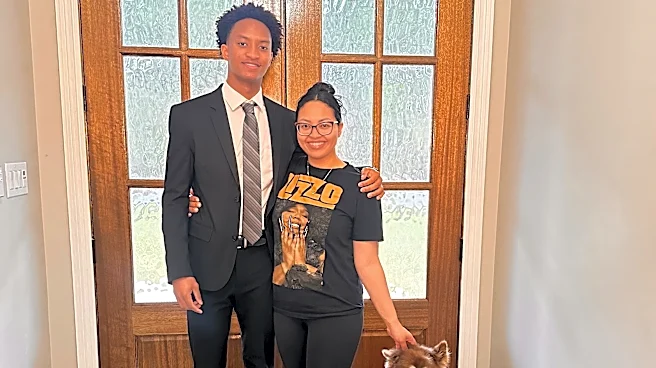
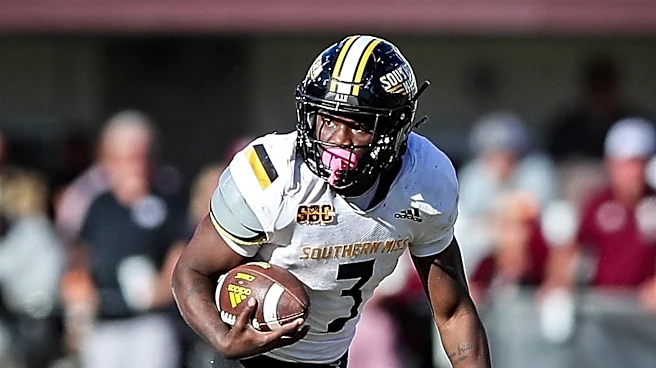
The death of Nolan Wells, an 18-year-old football player from Mississippi, has prompted an investigation following his disappearance during a Fourth of July boat trip to Horn Island. Wells, a student and wide receiver at Southwest Mississippi Community
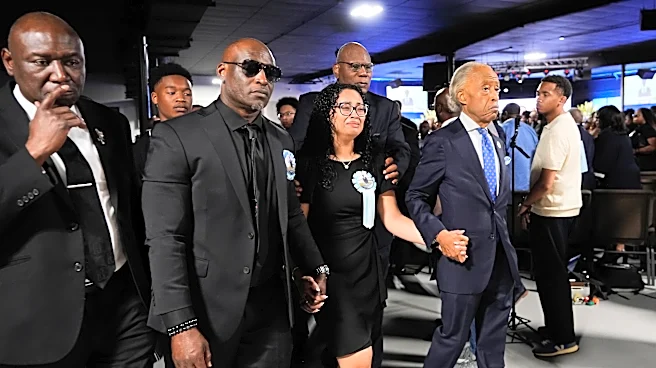
College, was found dead two days later. The circumstances surrounding his death remain unclear, with no immediate signs of foul play. Two autopsies are being conducted: one by the Mississippi State Medical Examiner and another independently requested by Wells' family. The case has drawn national attention, partly due to the racial dynamics involved, as Wells was Black and his friends on the trip were White. The investigation is ongoing, with the FBI assisting in examining digital evidence.
Why It's Important?
This case highlights ongoing racial tensions in the U.S., particularly in Mississippi, a state with a complex racial history. The investigation's outcome could have significant implications for community relations and trust in law enforcement. The involvement of high-profile figures like attorney Ben Crump underscores the case's national significance. The situation also raises questions about safety and accountability in recreational activities, as well as the role of social media in shaping public perception and pressure on legal proceedings.
What's Next?
The investigation continues as authorities await toxicology results and the independent autopsy findings. The Jackson County District Attorney will decide on potential charges based on the investigation's outcome. The case is expected to go before a grand jury, a standard procedure for non-natural deaths. Meanwhile, the community and Wells' family await answers, with public interest likely to remain high due to the racial and social implications.
Beyond the Headlines
The case may influence broader discussions on racial justice and the legal system's handling of cases involving racial dynamics. It also highlights the emotional and social impact on the families and communities involved, as well as the potential for media coverage to affect public opinion and legal outcomes.