







What's Happening?
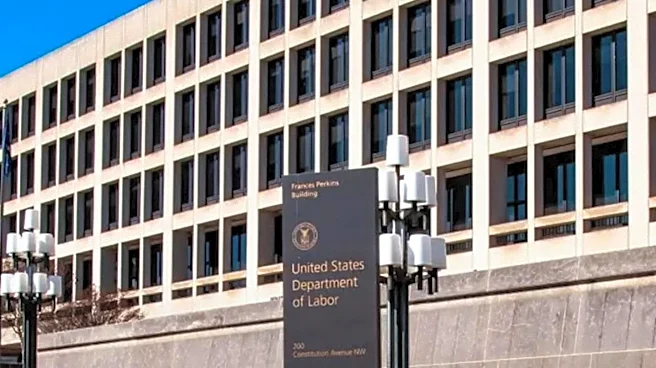
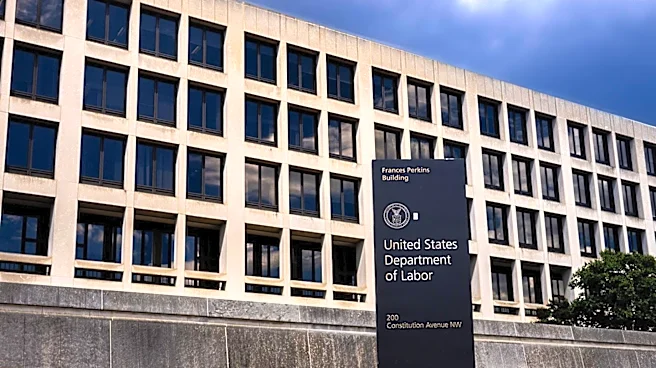
On November 17, 2026, the U.S. Department of Labor (DOL) unveiled significant proposed changes to the Program Electronic Review Management (PERM) Labor Certification Process, which is the initial step for most employment-based permanent residence (Green
Card) cases in the EB-2 and EB-3 preference categories. These proposed revisions, the most substantial since PERM's inception in 2005, aim to modernize the labor market test and enhance protections for U.S. workers. Key changes include expanding employer recruitment and application responsibilities, increasing DOL scrutiny of all PERM applications, and standardizing recruitment methods to prioritize electronic platforms over traditional newspaper advertisements. The proposal also mandates more detailed advertising content, including wage ranges and remote/hybrid work options, and extends recruitment periods to at least 90 days. Additionally, it would eliminate the Schedule A process, which currently fast-tracks green cards for healthcare professionals like nurses and physical therapists, requiring them to undergo the regular PERM process. The DOL will accept public feedback on these proposed changes for 60 days, until January 19, 2027.
Why It's Important?
These proposed changes by the DOL are significant for U.S. employers and foreign workers seeking permanent residency. By requiring employers to demonstrate a more robust effort to recruit American workers, the rule aims to ensure that U.S. talent is prioritized before sponsoring foreign nationals. The elimination of Schedule A for occupations like nurses and physical therapists could significantly impact the healthcare industry, potentially slowing down the process of bringing in foreign healthcare professionals to address shortages. The increased scrutiny and documentation requirements for PERM applications will likely lead to a more burdensome and lengthier review process for employers. While the DOL states these changes are intended to modernize the program and protect U.S. workers, businesses that rely on the PERM process for their workforce planning may face increased administrative costs and longer timelines for securing talent. Conversely, U.S. workers may benefit from broader and more transparent recruitment efforts, potentially leading to more job opportunities.
What's Next?
The public comment period for the proposed PERM rule will conclude on January 19, 2027. Following this, the DOL will review all submitted feedback, a process that typically takes a period similar to the comment period, though it could be shorter. Once the review is complete, the proposed rule could be finalized and published in the Federal Register, with an effective date usually 30 to 60 days after publication. If the rule is finalized, legal challenges are possible, which could further delay or alter its implementation. Employers are advised to monitor these developments closely and consider reviewing their current PERM strategies and recruitment practices in anticipation of potential changes. Any PERM applications filed before the end of a potential transition period would be adjudicated under the current regulations.
Beyond the Headlines
The proposed overhaul of the PERM process reflects a broader governmental effort to re-evaluate immigration policies in the context of the U.S. labor market. The emphasis on modernizing recruitment methods, such as utilizing online job boards and social media, acknowledges the shift in how job searches are conducted today. However, the increased burden on employers and the potential slowdown in securing foreign talent could have ripple effects across various sectors, particularly those facing labor shortages. The elimination of Schedule A, specifically impacting healthcare professionals, raises questions about the balance between protecting domestic jobs and addressing critical workforce needs in essential services. This move could also spark debates about the role of immigration in filling specialized labor gaps and the economic impact of stricter immigration processes on U.S. industries.