





What's Happening?
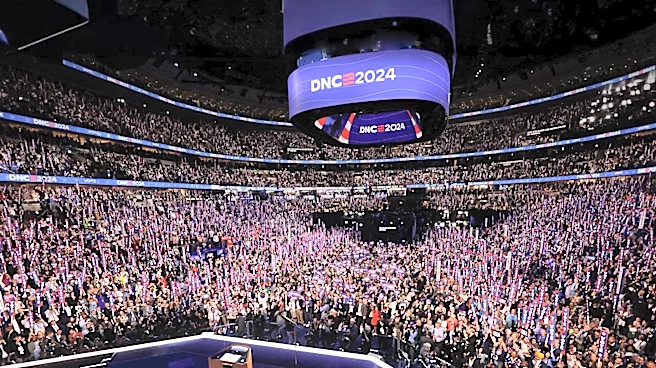
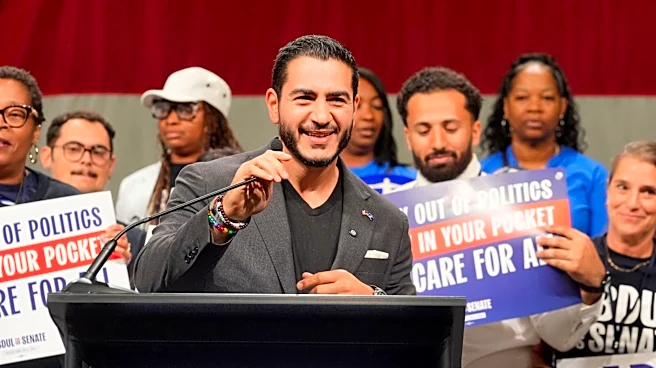
Michigan Democrats convened in Lansing, stressing party unity despite lingering disagreements from the August 4 primary. A significant subplot involved Democratic Senate nominee Abdul El-Sayed's relationship with the party's Jewish delegation. El-Sayed has
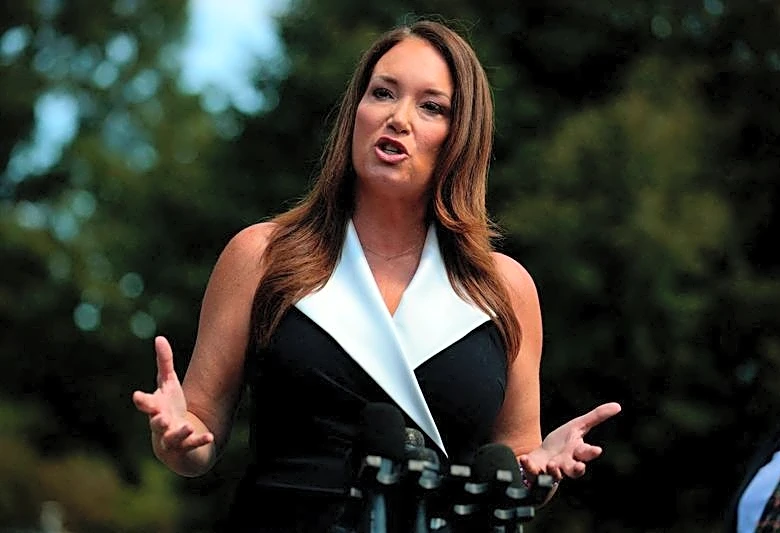
been critical of Israel's bombing campaigns in Gaza and Lebanon and U.S. support for them, leading some Jewish Democrats to express concerns about potential antisemitism. El-Sayed apologized to the party’s Jewish Caucus for past comments made after an attempted terrorist attack at Temple Israel in West Bloomfield, stating his intention was not to cause hurt but to offer context. He plans to continue meeting with members of the Jewish community. The party's strategy at the convention was to unite against President Trump and Republican candidates who support his policies. Michigan Secretary of State Jocelyn Benson, the Democratic nominee for governor, highlighted shared messages on healthcare costs, economic growth, and people-driven leadership. Attorney General nominee Eli Savit focused on affordability, consumer protection, and combating wage theft.
Why It's Important?
This emphasis on party unity is crucial for Michigan Democrats as they head into the November general election. Internal divisions, particularly on sensitive foreign policy issues like the Israeli-Palestinian conflict, could fragment the voter base and weaken the party's overall appeal. By publicly addressing these disagreements and focusing on common ground, the Democrats aim to present a united front against their Republican opponents. The strategy of tying Republican candidates to President Trump's policies is a common tactic to mobilize their base and potentially sway undecided voters. The focus on issues like healthcare costs, economic growth, and worker protections reflects key concerns for Michigan residents, especially in rural areas, and could resonate with a broad spectrum of voters. The ability of the Democratic party to bridge internal divides and effectively communicate a cohesive message will be a significant factor in their electoral success.
What's Next?
Following the convention, Michigan Democrats will continue their campaigns, with mail-in ballots for the November general election scheduled to begin distribution in September. Abdul El-Sayed is set to meet further with members of the Jewish community, indicating ongoing efforts to mend relationships and address concerns. The party will likely intensify its efforts to connect Republican opponents with President Trump's policies, while simultaneously promoting their own platform on affordability, healthcare, and economic issues. Republicans, in turn, are expected to continue their strategy of portraying the Democratic ticket as too far left on economic and cultural matters, such as policies concerning trans student athletes, in an attempt to attract moderate Democratic voters. The coming weeks will see increased campaigning and public engagement as both parties vie for voter support leading up to the general election.
Beyond the Headlines
The internal dynamics within the Michigan Democratic Party, particularly regarding foreign policy and its intersection with domestic politics, highlight a broader challenge facing the Democratic Party nationally. The tension between different factions, such as progressive voices critical of Israeli policy and more traditional pro-Israel segments, can create significant internal friction. El-Sayed's apology and continued engagement with the Jewish community reflect an attempt to navigate these complex issues while maintaining party cohesion. This situation also underscores the increasing influence of international events on local and state-level elections, as candidates are often pressed to take stances on global issues that resonate with specific voter demographics. The emphasis on 'agreeing agreeably' on contentious topics could serve as a model for other political entities grappling with diverse viewpoints within their ranks, aiming to prevent internal strife from undermining broader electoral goals.