





What's Happening?
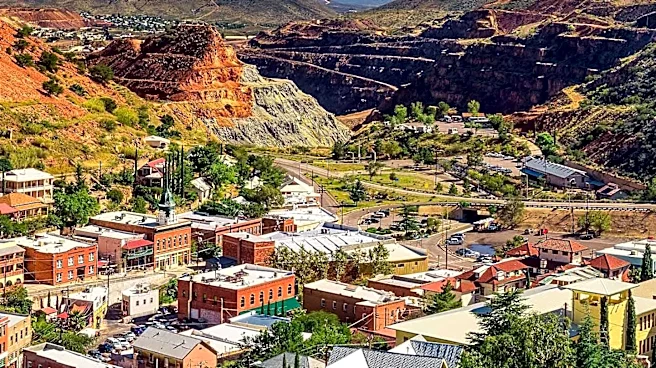
Montana's historic mining towns, once bustling with activity during the gold and silver rushes of the 19th century, have transitioned into tourist destinations. Towns like Butte, Anaconda, Philipsburg, Helena, Red Lodge, and Virginia City offer visitors
a glimpse into the past with their preserved architecture and historical sites. Butte, known as 'The Richest Hill on Earth,' was a major copper producer, while Anaconda was established by Marcus Daly as a copper smelting town. Philipsburg thrived until the repeal of the Sherman Silver Purchase Act in 1893. Helena, once home to numerous millionaires, has shifted focus to politics and finance. Red Lodge and Virginia City, known for their mining history, now attract tourists with their scenic beauty and cultural events. These towns have embraced tourism, offering attractions like museums, historical tours, and outdoor activities, ensuring their rich history remains accessible to visitors.
Why It's Important?
The transformation of Montana's mining towns into tourist destinations highlights the state's ability to preserve its historical heritage while adapting to modern economic needs. This shift supports local economies by attracting visitors interested in history and outdoor recreation, providing a sustainable source of income for these communities. The preservation of historical sites and the promotion of cultural events contribute to the education and appreciation of Montana's rich mining history. Additionally, the tourism industry helps maintain the towns' infrastructure and supports local businesses, creating jobs and fostering community development. This transition also reflects broader trends in the U.S. where historical preservation and tourism are leveraged to revitalize rural areas and promote economic growth.