







What's Happening?
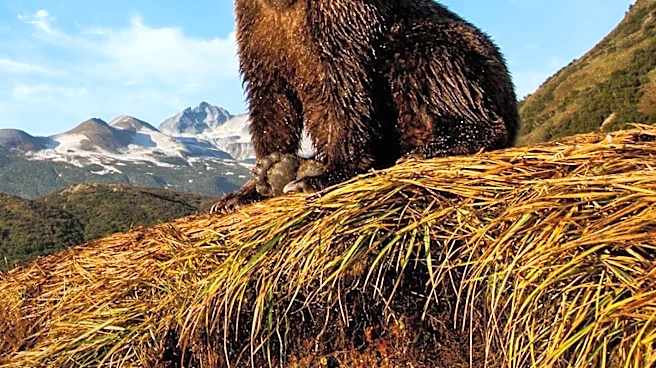
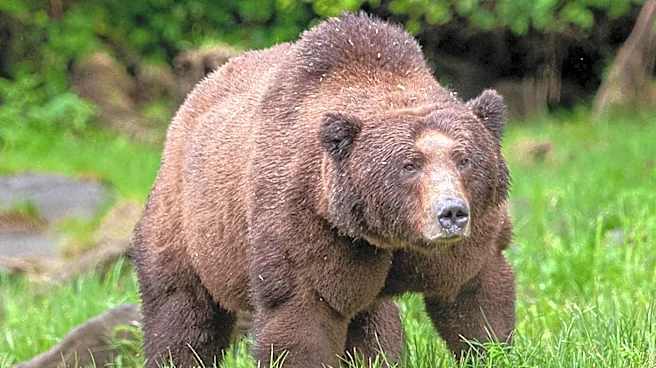
A woman sustained non-life-threatening injuries after being attacked by a brown bear on Kodiak Island, Alaska. The incident occurred while she was hiking with her dog on a trail near a salmon stream in Bell Flats, approximately 10 miles from Kodiak. According
to the Alaska State Troopers, the woman and her dog encountered two brown bear cubs, shortly after which a sow emerged from the brush. The sow chased the dog back to the woman and bit her multiple times on the legs. The dog's barking diverted the bear's attention, allowing the woman to crawl away and play dead. After the bear and its cubs departed, she called 911 and walked to a nearby residence for help. She was subsequently transported to a local hospital for treatment, and her dog was unharmed.
Why It's Important?
This incident underscores the inherent risks of recreating in bear country, particularly in areas with high bear populations and active wildlife, such as Kodiak Island. It highlights the importance of awareness and preparedness for encounters with large predators, especially during seasons when bears are more active, like salmon runs. For residents and visitors in Alaska, understanding bear behavior and implementing safety protocols, such as carrying bear spray and knowing how to react during an encounter, is crucial. The event also emphasizes the role of wildlife management agencies like the Alaska Department of Fish and Game (ADF&G) in monitoring bear activity and providing public safety guidelines, ensuring both human safety and wildlife conservation.
What's Next?
Following the attack, biologists from the Alaska Department of Fish and Game conducted interviews, visited the site to look for signs of bear activity, and collected samples. The ADF&G advises the public to report any aggressively behaving wildlife to their Kodiak office or through their online reporting tool. This incident will likely prompt continued public advisories regarding bear safety in the Kodiak area, especially concerning trails adjacent to salmon streams. Local authorities and wildlife officials will continue to monitor bear populations and their interactions with humans, potentially adjusting public access to certain areas or increasing educational efforts to prevent future encounters and ensure the safety of both people and wildlife.
Beyond the Headlines
The interaction between humans and wildlife, particularly large predators like brown bears, is a complex issue in regions like Alaska. As human populations expand and recreational activities in wilderness areas increase, the potential for such encounters rises. This incident brings to light the delicate balance between human enjoyment of natural spaces and the need to respect and coexist with wildlife. It also raises questions about habitat preservation, the impact of human presence on animal behavior, and the effectiveness of current public education strategies on wildlife safety. The long-term implications involve ongoing efforts to manage human-wildlife interfaces, ensuring that both ecological integrity and public safety are maintained through informed policies and community engagement.