








What's Happening?
The Social Security Administration (SSA) is set to announce the 2027 cost-of-living adjustment (COLA) on October 14. This announcement will follow the release of September's Consumer Price Index for Urban Wage Earners and Clerical Workers (CPI-W) by the Labor
Department. The COLA is an annual adjustment designed to help Social Security beneficiaries keep pace with inflation. It is calculated by comparing the average CPI-W reading for the third quarter of the current year (July through September) with the same three-month period of the previous year. An estimate from 24/7 Wall St. suggests the 2027 COLA could be around 3.3%. If this estimate holds, a recipient currently receiving $2,000 per month could see their benefit increase by approximately $66, bringing their monthly payment to about $2,066. However, the final figure is subject to change once the September inflation report is released. The COLA will take effect with January 2027 Social Security payments.
Why It's Important?
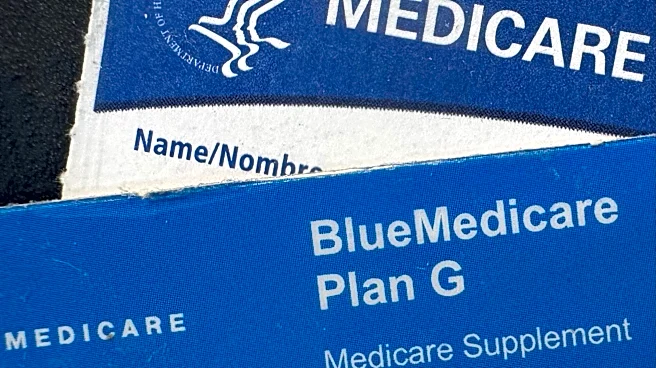
This upcoming COLA announcement is significant for millions of Social Security recipients across the U.S., as it directly impacts their financial well-being and purchasing power. The adjustment aims to mitigate the effects of inflation, ensuring that beneficiaries' fixed incomes do not erode over time. While the headline increase might appear substantial, the net gain for many retirees could be smaller due to deductions for Medicare Part B premiums. For instance, the standard Part B premium rose by $17.90 in 2026 to $202.90 per month, and the 2027 premium has not yet been announced. Higher-income beneficiaries may also face additional income-related surcharges for Medicare Part B and prescription drug coverage, further reducing their net Social Security deposits. Therefore, while the COLA provides a necessary adjustment, its real-world impact on individual finances can vary significantly.
What's Next?
The immediate next step is the Social Security Administration's official announcement of the 2027 COLA on October 14, following the Labor Department's release of the September CPI-W data. This announcement will finalize the percentage increase for Social Security benefits. Subsequently, the 2027 Medicare Part B premium will also be announced, which will determine the actual net increase in monthly payments for many beneficiaries. Retirees and those planning for retirement will closely monitor these announcements to understand the financial implications for their household budgets. Financial advisors and news outlets will likely provide detailed analyses of the COLA and Medicare premium changes, offering guidance on how these adjustments will affect different income brackets and financial planning strategies. The new COLA will be reflected in Social Security payments starting in January 2027.
Beyond the Headlines
The annual COLA adjustment highlights the ongoing challenge of maintaining financial stability for retirees in an inflationary environment. While designed to protect purchasing power, the mechanism of the COLA, tied to the CPI-W, has been a subject of debate. Critics argue that the CPI-W may not accurately reflect the spending patterns and cost increases faced by seniors, particularly regarding healthcare expenses. This ongoing discussion underscores broader policy considerations about the adequacy of Social Security benefits and the need for comprehensive retirement planning. The interplay between COLA increases and rising Medicare costs also brings to light the complex financial landscape faced by older Americans, where gains in one area can be offset by increases in another, prompting calls for reforms to both Social Security and Medicare funding and benefit structures.