

What's Happening?
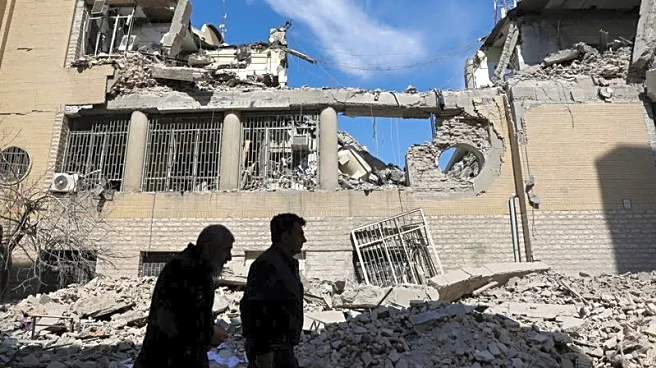
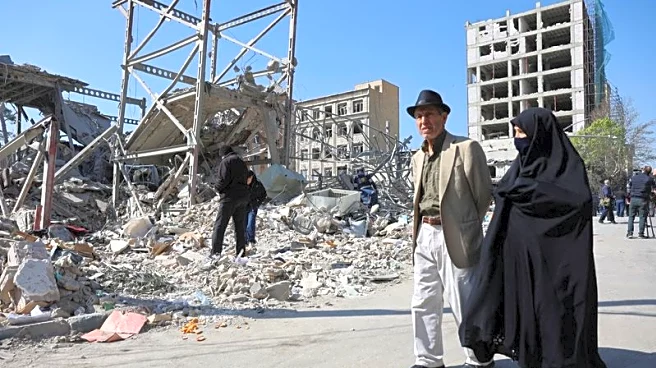
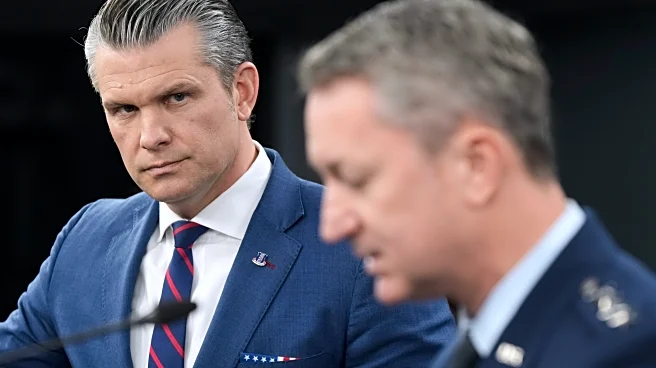
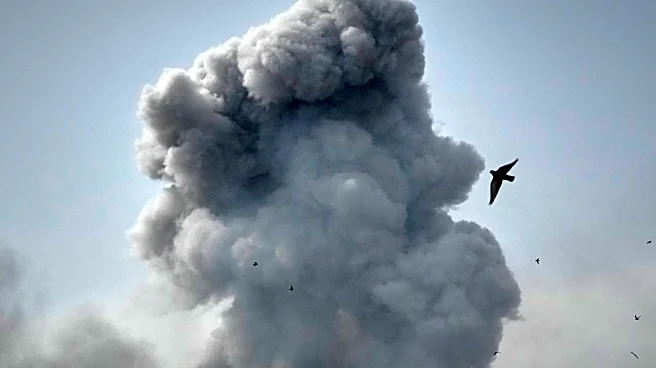
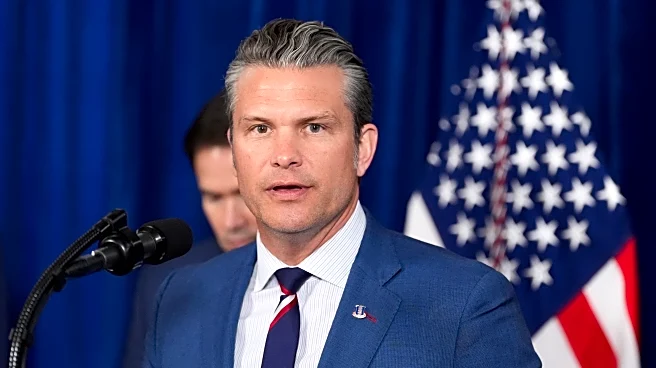
Secretary of Defense Pete Hegseth expressed frustration during a press conference as he and General Dan Caine, chairman of the Joint Chiefs of Staff, outlined the U.S. objectives in joining Israel in military actions against Iran. Hegseth emphasized the need
to prevent Iran from developing nuclear weapons and highlighted the threat posed by Iran's military capabilities, including ballistic missiles and drones. The press conference was marked by tense exchanges with reporters questioning the potential duration and objectives of the conflict. Hegseth reiterated the administration's commitment to achieving clear objectives and criticized past policies that lacked focus.
Why It's Important?
The U.S. involvement in military actions against Iran has significant geopolitical implications, affecting international relations and regional stability. The conflict raises concerns about potential escalation and the impact on global oil markets, given Iran's strategic position in the Middle East. The administration's approach to handling the situation could influence U.S. foreign policy and its relationships with allies and adversaries. Domestically, the conflict may affect public opinion and political dynamics, especially with the upcoming elections. The media's scrutiny reflects the public's demand for transparency and accountability in military engagements.
What's Next?
The U.S. military's actions in Iran will likely continue to be a focal point of international and domestic attention. Future developments will depend on the administration's ability to achieve its stated objectives and manage the conflict's broader implications. Diplomatic efforts may be necessary to prevent further escalation and address the underlying issues. The administration may face pressure from both domestic and international actors to clarify its strategy and timeline for military involvement. Ongoing media coverage will play a crucial role in shaping public perception and policy discussions.