






What's Happening?
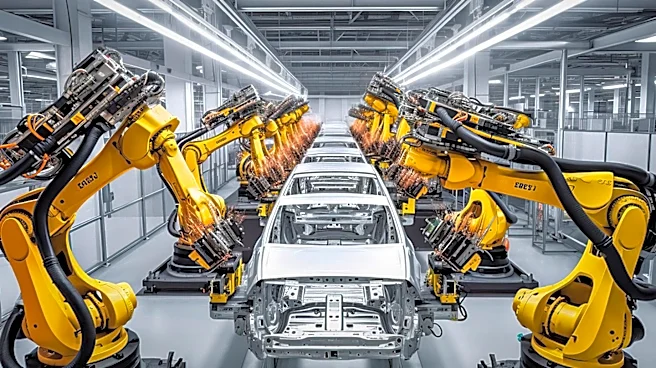
The Industrial Revolution, spanning approximately 1760 to 1914 CE, fundamentally reshaped work, cities, and global trade through the introduction of mechanized production, fossil energy, factories, railways, and steamships. This transformative period
began in Britain and subsequently spread unevenly across the globe. Key developments included the widespread adoption of steam power, which initially powered stationary engines in mines and factories before the advent of steam locomotives. The revolution led to a significant increase in wealth and mobility, but also intensified exploitation, empire-building, pollution, and class conflict. The c. 1760–1914 timeframe is a teaching convention, acknowledging that industrialization progressed at different rates and in various forms worldwide, with agriculture and hand production continuing alongside factory systems.
Why It's Important?
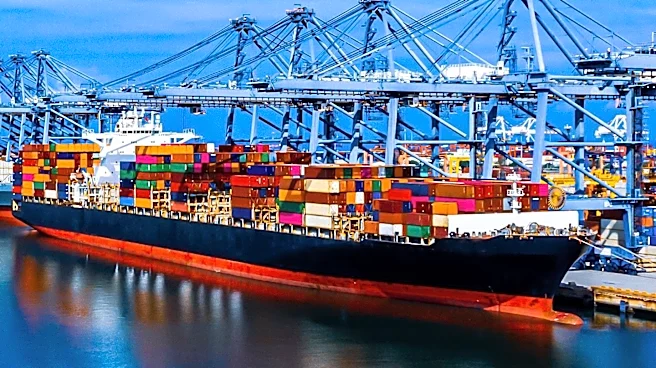
The Industrial Revolution's impact on the United States was profound, laying the groundwork for its emergence as an industrial powerhouse. The adoption of steam power and mechanized production fueled the growth of American industries, particularly in textiles, manufacturing, and transportation. The expansion of railways and steamships facilitated the movement of goods and people across vast distances, connecting markets and fostering economic integration within the U.S. and with international partners. This era also brought significant social changes, including urbanization, the rise of a factory workforce, and new challenges related to labor rights and environmental concerns. Understanding this period is crucial for comprehending the origins of modern American capitalism, its industrial infrastructure, and the ongoing debates about economic inequality and environmental stewardship.
Beyond the Headlines
Beyond the immediate economic and social shifts, the Industrial Revolution introduced a paradigm shift in human interaction with technology and the environment. The reliance on fossil fuels and large-scale industrial processes initiated environmental challenges that continue to be addressed today, such as air and water pollution. The era also solidified the concept of mass production, influencing consumer culture and the standardization of goods. Ethically, the period raised critical questions about labor conditions, child labor, and the distribution of wealth, which spurred the development of labor movements and social reforms. The legacy of the Industrial Revolution is evident in the structure of modern cities, the globalized economy, and the continuous pursuit of technological innovation, highlighting its deep and lasting influence on human civilization.