
What's Happening?
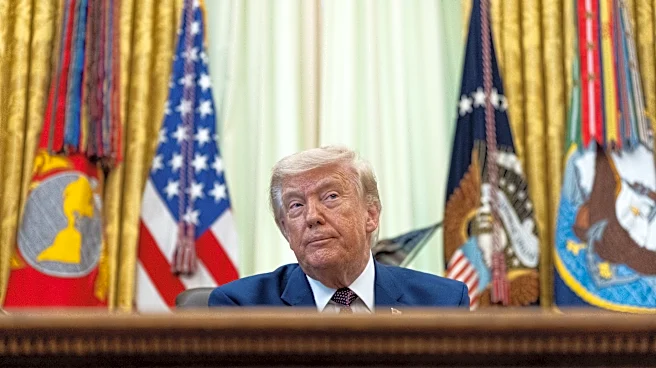
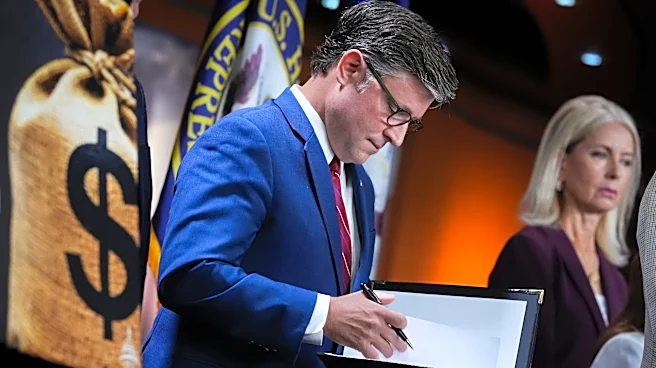
Four Republican members of Congress have joined Democrats in passing a resolution aimed at blocking President Trump from ordering further military strikes on Iran. The resolution, which passed the House
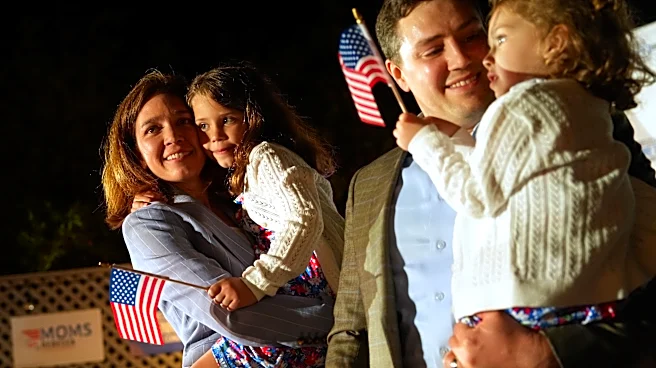
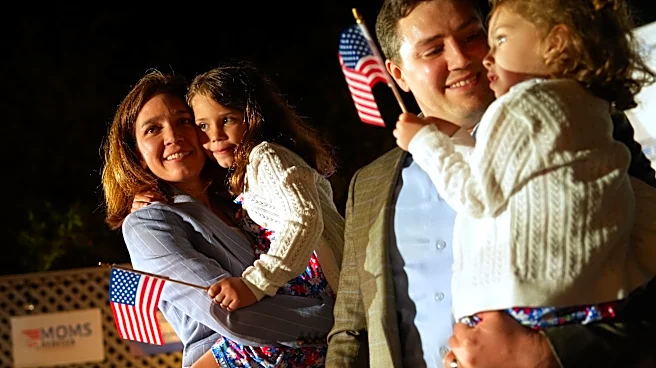
with a vote of 215-208, marks a significant moment as it is the first time such a measure has cleared either chamber since the strikes began in February. The four Republicans—Thomas Massie of Kentucky, Tom Barrett of Michigan, Warren Davidson of Ohio, and Brian Fitzpatrick of Pennsylvania—have expressed various reasons for their votes, ranging from a call for congressional approval of military actions to concerns over the lack of a clearly defined mission in Iran. This move reflects growing impatience within the Republican Party regarding the ongoing conflict, which has not been authorized by Congress and has led to increased energy prices.
Why It's Important?
The resolution's passage highlights a significant rift within the Republican Party and underscores the broader debate over the executive branch's military powers. By challenging President Trump's authority to conduct military operations without congressional approval, these lawmakers are emphasizing the constitutional role of Congress in declaring war. This development could have far-reaching implications for U.S. foreign policy and military engagement, potentially leading to a reevaluation of the balance of power between the legislative and executive branches. The resolution also signals a shift in the political landscape, as some Republicans are willing to oppose the president on key issues, which could influence future legislative decisions and party dynamics.
What's Next?
The resolution faces significant hurdles before it can compel President Trump to end hostilities in Iran. It must pass the Senate and overcome a likely presidential veto. However, the resolution's advancement increases pressure on the Trump administration to seek a diplomatic resolution to the conflict. The ongoing negotiations and potential legislative actions will be closely watched by political leaders, military officials, and international allies. The outcome could set a precedent for how future military engagements are authorized and conducted, impacting U.S. foreign policy and military strategy.