

What's Happening?
A recent U.S. intelligence assessment concluded that military intervention in Iran is unlikely to result in regime change. The National Intelligence Council's report, completed before the U.S. and Israel launched military actions in Iran, indicated that neither
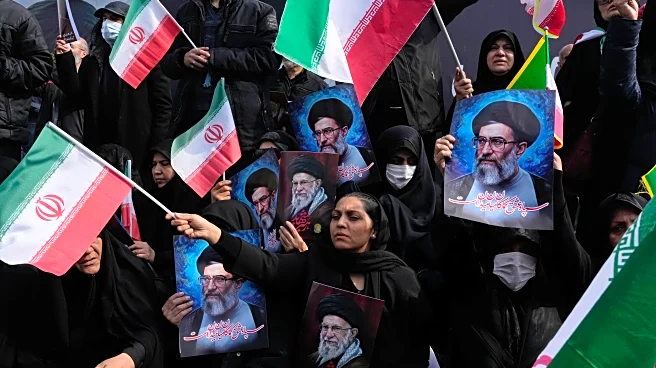
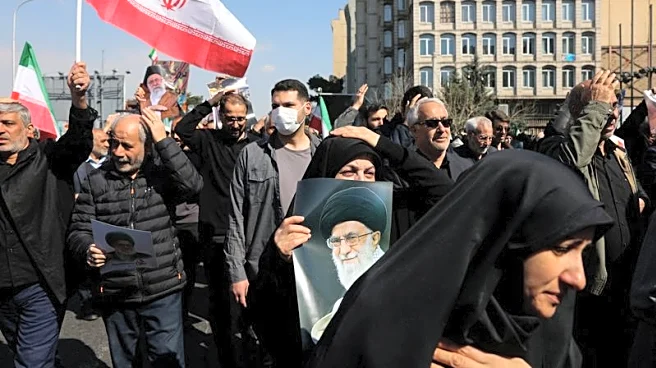
limited airstrikes nor a prolonged campaign would lead to a new government, even if current leaders were killed. The assessment suggests that Iran's establishment would strive to maintain continuity of power. Despite the strikes, which have targeted Iranian leadership figures, the U.S. administration has stated that regime change is not the goal. However, President Trump has expressed a desire for a change in leadership. The assessment's findings were reported by major news outlets, highlighting skepticism towards the intelligence community due to past inaccuracies.
Why It's Important?
The intelligence assessment challenges the U.S. administration's strategy in Iran, suggesting that military actions may not achieve the desired political outcomes. This has significant implications for U.S. foreign policy and military strategy, as it questions the effectiveness of using force to influence political change in Iran. The report also highlights the complexities of Iran's political landscape, where no unified opposition is ready to take over. This situation could lead to prolonged instability in the region, affecting global oil markets and international relations. The skepticism towards intelligence assessments, due to past failures, adds another layer of complexity to decision-making processes in U.S. foreign policy.
What's Next?
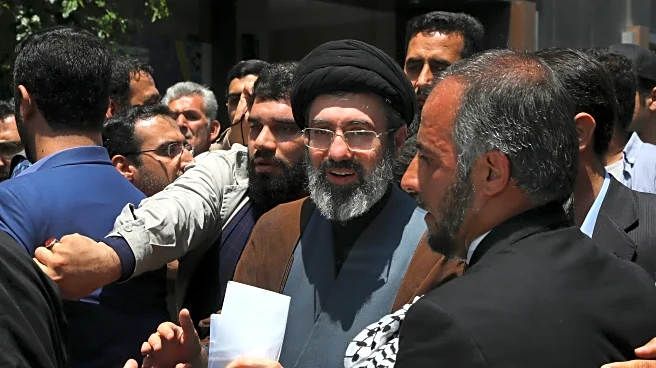
The selection of Mojtaba Khamenei as Iran's new supreme leader indicates a continuation of hardline policies, suggesting that Iran's leadership is not inclined to make concessions. This could lead to further tensions between Iran and the U.S., potentially escalating military confrontations. The U.S. administration may need to reassess its approach, considering diplomatic avenues or increased sanctions to achieve its objectives. The international community will likely monitor the situation closely, as any escalation could have broader implications for regional stability and global security.