





What's Happening?
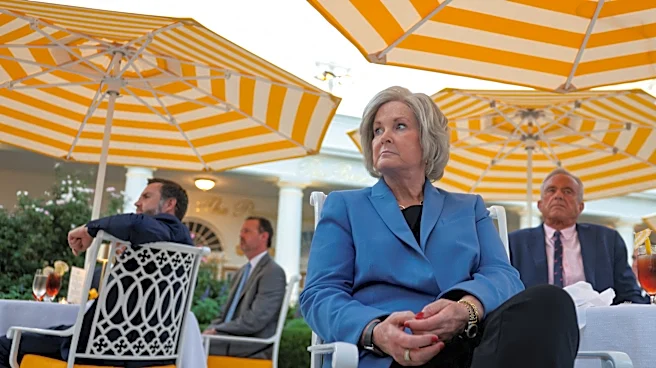
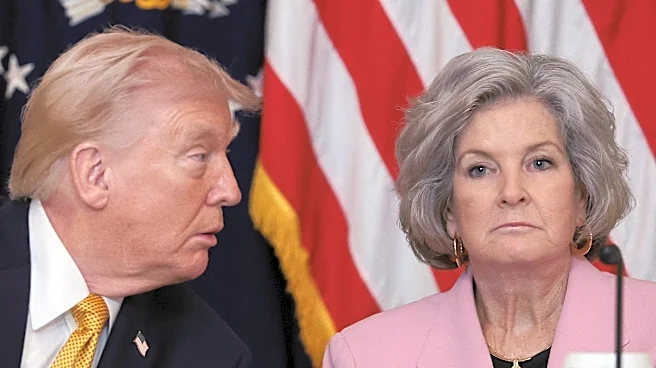
Susie Wiles, White House Chief of Staff and a close aide to President Trump, has announced her complete recovery from breast cancer after a six-month battle. Wiles, 69, was diagnosed with early-stage breast cancer in March and concluded her treatment
on September 16, confirming she is now cancer-free. She shared her personal journey in an op-ed published in USA Today, detailing the physical and emotional toll of chemotherapy, surgery, and numerous medical appointments. Despite the demanding nature of her treatment, Wiles continued to fulfill her responsibilities within the White House, emphasizing her determination not to let the disease consume her life. She credited her team for their support, stepping in when needed, and highlighted that the experience deepened her appreciation for her colleagues and her work.
Why It's Important?
Wiles' public sharing of her battle with breast cancer while holding a high-profile position in the White House underscores the challenges many individuals face when managing serious health issues alongside demanding careers. Her decision to continue working throughout her treatment highlights a personal resilience and dedication to her role, potentially serving as an inspiration for others navigating similar circumstances. The narrative also subtly emphasizes the importance of a supportive work environment and team collaboration, even in high-pressure settings like the White House. Her experience could contribute to broader conversations about workplace flexibility and support systems for employees facing health crises, demonstrating that significant professional contributions can still be made under challenging personal conditions.
What's Next?
Following her announcement of being cancer-free, Susie Wiles is expected to continue her role as White House Chief of Staff with renewed vigor. Her public account may lead to increased awareness and discussion about breast cancer, its early detection, and the importance of support networks for patients. It could also prompt further dialogue within government and corporate sectors regarding policies and practices that enable individuals to manage serious illnesses while maintaining their professional lives. While no specific policy changes or initiatives have been announced in direct response to her experience, her story could indirectly influence workplace wellness programs and support structures for employees facing health challenges.
Beyond the Headlines
Susie Wiles' journey extends beyond a personal health update; it touches upon the broader societal implications of leadership, resilience, and the human experience within the political sphere. Her candid account demystifies the perception of high-ranking officials as impervious to personal struggles, humanizing the individuals behind powerful titles. By choosing to share her story, Wiles contributes to destigmatizing cancer and encourages open conversations about health in professional settings. This narrative also subtly reinforces the idea that personal challenges can, for some, deepen their commitment to their work and foster a greater appreciation for life, offering a perspective on how individuals cope with adversity while maintaining a sense of purpose.