




What's Happening?
Dr. Barry Keating, Professor Emeritus at the Mendoza College of Business at the University of Notre Dame and an adjunct scholar of the Indiana Policy Review Foundation, highlights the critical need for complete contracts when municipalities negotiate
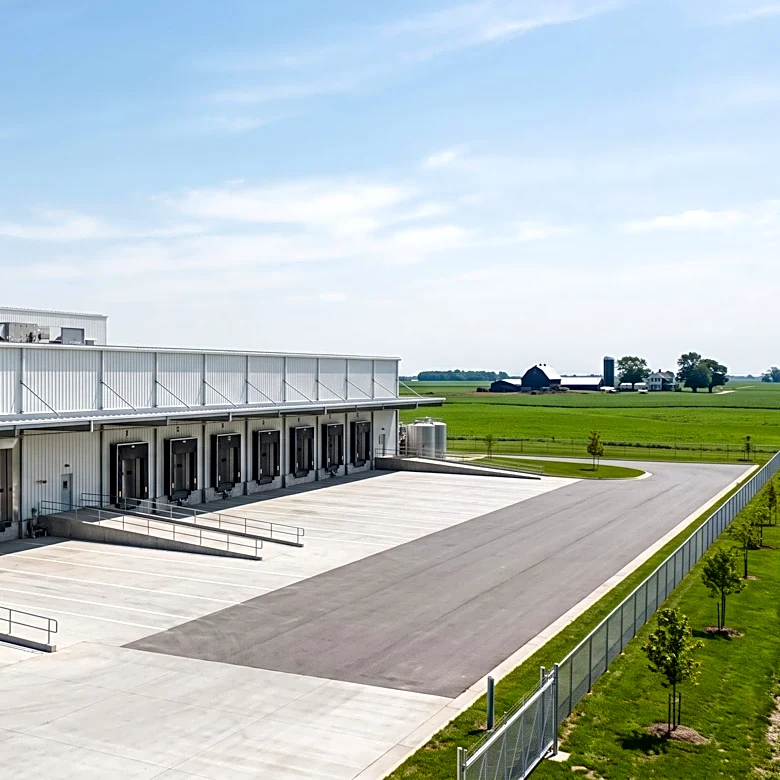
with data center companies. He uses the example of New Carlisle, Indiana, where an $11-billion Amazon data center campus deal involved town council members signing non-disclosure agreements, preventing residents from knowing the terms until the deal was largely finalized. The terms included a 10-year, 50-percent abatement on real property taxes and an 85 percent exemption on enterprise technology equipment for 35 years. Dr. Keating argues that such incomplete contracts leave communities vulnerable to unforeseen costs related to power, water, noise, and taxes, often shifting the burden to taxpayers. He emphasizes that a complete contract should clearly define who pays for what, who bears risk, how compliance is measured, and what happens at the project's conclusion.
Why It's Important?
The increasing proliferation of data centers across the U.S. makes Dr. Keating's insights particularly relevant for local governments and their constituents. Incomplete contracts, as seen in New Carlisle, can lead to significant long-term financial and environmental burdens on communities. For instance, vague power clauses can result in ratepayers subsidizing grid upgrades for data centers, while undefined water agreements can strain local resources and infrastructure. The lack of clear noise regulations can diminish residents' quality of life. Furthermore, extensive tax abatements, like the 35-year exemption in New Carlisle, mean other taxpayers must cover the shortfall or face reduced public services. This issue affects not only the immediate communities hosting these facilities but also sets precedents for future negotiations nationwide, impacting economic development strategies and public finance. The potential for rent-seeking behavior, where companies benefit from contractual gaps, underscores the importance of robust, transparent agreements to protect public interest.
What's Next?
Dr. Keating proposes a checklist for local councils and negotiators to ensure complete data center contracts. This includes explicitly naming power loads, assigning grid-upgrade costs to the responsible party, setting minimum bills and exit fees, and metering, capping, and fully pricing water usage with public transparency. He also recommends establishing clear decibel limits at property lines, specifying measurement methods and fines for violations. For land and taxes, he suggests implementing floors for community payments, sunsets on abatements, and bonds for decommissioning. Crucially, he advocates for public negotiations without non-disclosure agreements and for assigning every major risk to a named party to prevent future disputes and taxpayer bailouts. Adopting these practices could lead to more equitable and sustainable relationships between municipalities and data center operators across the U.S.
Beyond the Headlines
The discussion around data center contracts extends beyond mere financial terms, touching upon fundamental principles of local governance and public trust. The secrecy surrounding initial negotiations, as highlighted in New Carlisle, erodes public confidence and limits democratic oversight. Dr. Keating's perspective, rooted in Public Choice economics, suggests that assuming self-interested behavior from all parties—companies, politicians, and bureaucrats—is a more realistic approach than relying on goodwill. This necessitates designing robust rules and complete contracts to ensure decent outcomes. The long-term implications of these agreements, spanning decades, mean that decisions made today will shape the environmental, economic, and social landscape for future generations. The challenge lies in balancing the desire for economic development with the need for transparent, accountable, and comprehensive planning that safeguards community resources and taxpayer interests.