






What's Happening?
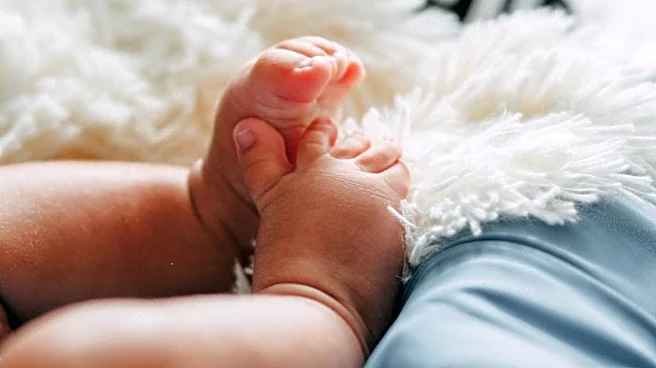
Researchers at Washington State University’s College of Veterinary Medicine, in collaboration with international institutions, have found that differences in an infant's skin microbiome may provide early clues for the development of eczema, food sensitization,
and food allergies. The study, published in the journal Allergy, analyzed 1,078 skin samples from 429 infants and their mothers. Significant microbial differences were detected in infants as young as 2 to 3 months old who later developed atopic dermatitis (AD) accompanied by food sensitization or food allergy, even before these conditions were clinically diagnosed. Specifically, increased Staphylococcus species were linked to later AD with food sensitization or allergy, and Staphylococcus aureus was enriched in infants who subsequently developed AD with food allergy. The research also noted microbial sharing between mothers and infants, suggesting environmental influences on the infant's skin microbiome. This investigation aims to understand the biological events at the skin barrier and developing immune system interface.
Why It's Important?
This research is important because it suggests a potential new pathway for early identification and intervention in infants at risk for allergic diseases. Currently, these conditions are diagnosed after symptoms appear, which can delay crucial interventions. By identifying specific skin microbiome signatures as early biomarkers, clinicians could potentially diagnose disease risk much earlier. This could lead to proactive strategies to prevent or mitigate the severity of conditions like eczema, food allergies, and potentially the 'atopic march'—the progression of allergic diseases from eczema to food allergies, allergic rhinitis, and asthma. Early intervention could significantly improve the quality of life for affected children and reduce the long-term burden on healthcare systems. Understanding the role of maternal-infant microbial sharing also opens avenues for exploring environmental and maternal health factors in allergy prevention.
What's Next?
The researchers plan to continue following and sampling the children as they grow to determine how these early microbial patterns relate to later allergic diseases, including asthma. While the early-life analysis involved a relatively small group of 80 infants sampled at 2 to 3 months, the findings lay the groundwork for future investigations. Confirmation in larger and independent populations will be necessary to validate these microbial signals as reliable early biomarkers. If validated, the next steps could involve developing screening tools based on skin microbiome analysis for infants. This could also lead to the exploration of targeted interventions, such as microbiome-modulating therapies or specific skin barrier support strategies, to prevent the onset or progression of allergic conditions. Further research into the specific mechanisms by which these microbial differences contribute to allergy development will also be crucial.
Beyond the Headlines
The study's findings delve into the intricate relationship between the infant's skin microbiome and immune system development, highlighting the skin as a critical immunological interface. The concept of the 'atopic march,' where skin barrier dysfunction in infancy can trigger a cascade of allergic conditions, gains further support from this research. The identification of specific microbial imbalances, such as increased Staphylococcus species, before clinical diagnosis, underscores the idea that the body's microbial ecosystem plays a profound role in health and disease. This could shift the paradigm from reactive treatment to proactive prevention, emphasizing the importance of maintaining a healthy skin barrier and microbiome from birth. The potential for personalized medicine, where an infant's unique microbiome profile could guide tailored preventive strategies, represents a significant long-term implication of this research, moving beyond generic recommendations to highly individualized care.