







What's Happening?
In June 2026, the number of Americans not participating in the workforce reached a record 105.8 million, surpassing the previous high set during the 2020 shutdown. This increase is attributed to a slowdown in hiring, with only 57,000 jobs added in June,
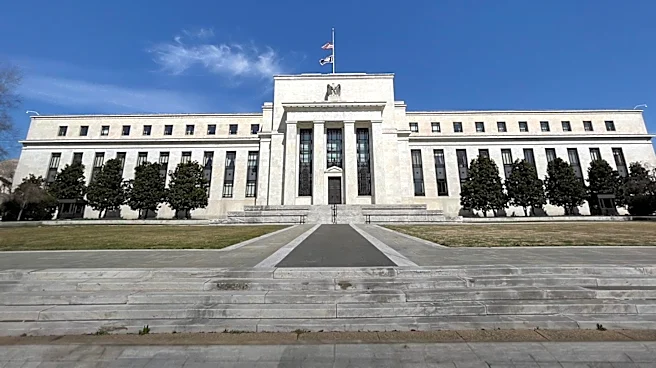
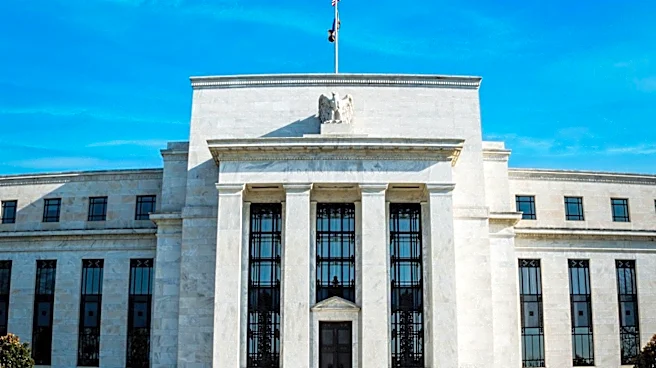
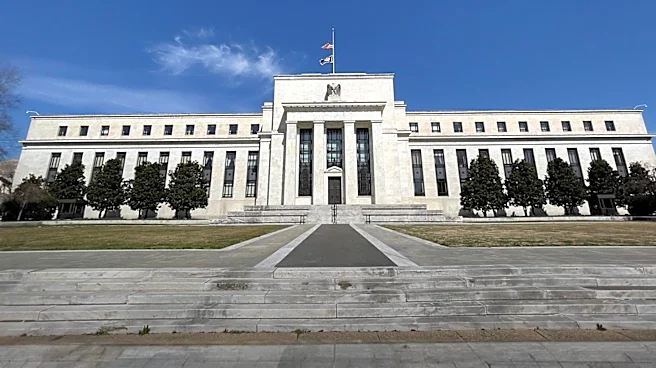
following downward revisions for April and May. The unemployment rate slightly improved to 4.2%, but this was due to a decrease in labor force participation, which fell to 61.5%. Key sectors like manufacturing, retail, and transportation remained flat, while professional and business services, social assistance, and healthcare saw modest job gains. The Federal Reserve's recent meeting maintained interest rates between 3.50% and 3.75%, with future policy adjustments anticipated due to the current labor market conditions.
Why It's Important?
The increase in non-participation in the workforce has significant implications for the U.S. economy. A shrinking labor force can affect economic momentum and influence interest rate decisions by the Federal Reserve. The current labor market conditions suggest a cooling trend, which may lead to changes in monetary policy to stimulate economic growth. The sectors experiencing job growth, such as healthcare and professional services, indicate where future economic opportunities may lie. However, the overall flat performance in major industries highlights potential challenges in achieving robust economic recovery.
What's Next?
The Federal Reserve is likely to closely monitor labor market trends and may adjust interest rates accordingly in upcoming meetings. The current economic indicators suggest a cautious approach, with a focus on supporting sectors that are still experiencing growth. Policymakers may also consider measures to encourage workforce participation and address the underlying causes of the high non-participation rate. Businesses and investors will be watching for any policy changes that could impact economic conditions and market stability.