





What's Happening?
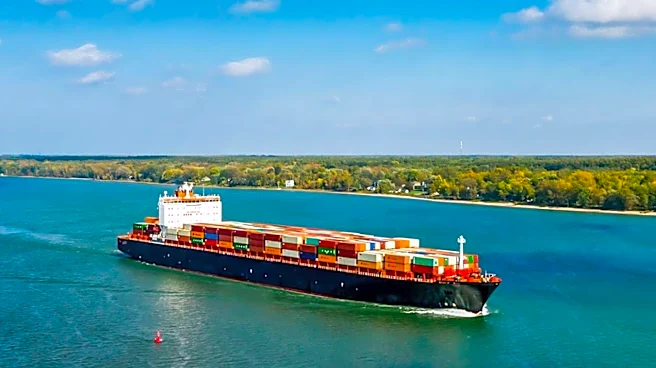
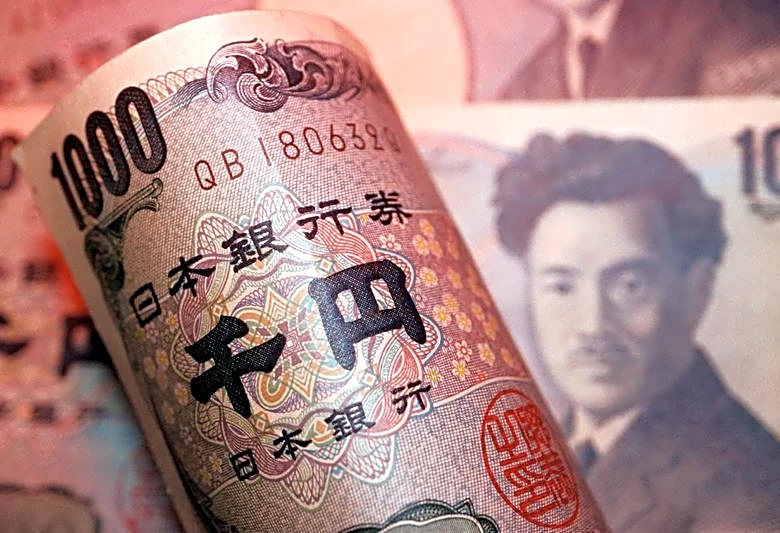
ExxonMobil has chartered a vessel to transport Canadian crude oil to Japan, marking the first such shipment since 2025. The vessel, Freedom Glory, left Vancouver carrying Trans Mountain pipeline (TMX) crude, purchased by Japan's largest refiner, Eneos.
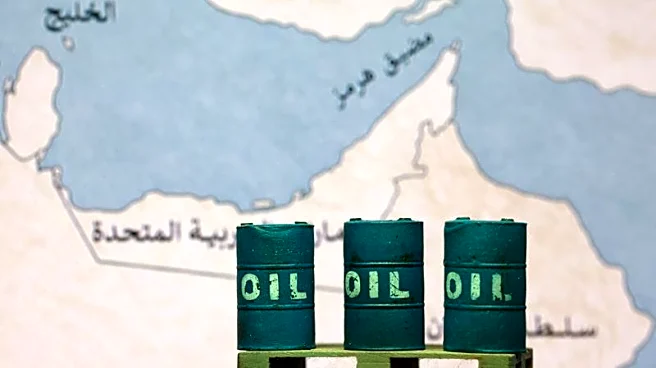
This move comes as Japan, along with other Asian countries, seeks to diversify its oil supply sources following disruptions in the Strait of Hormuz due to the US and Israel's conflict with Iran. The Trans Mountain pipeline, which carries up to 890,000 barrels of crude oil daily from Alberta to British Columbia, has been operating near full capacity since late 2025.
Why It's Important?
The shift in Japan's oil sourcing underscores the broader impact of geopolitical tensions on global energy markets. With the Strait of Hormuz being a critical chokepoint for oil shipments, the conflict has forced countries like Japan to seek alternative suppliers to ensure energy security. This development highlights the strategic importance of Canada's oil exports, which now account for a significant portion of US crude imports as well. The diversification efforts by Asian countries could lead to long-term changes in global oil trade patterns, potentially affecting pricing and supply dynamics.
What's Next?
As Japan and other Asian nations continue to diversify their oil sources, there may be increased demand for Canadian crude, potentially leading to further investments in infrastructure to support higher export volumes. Additionally, the geopolitical landscape will likely influence future trade agreements and energy policies, as countries aim to mitigate risks associated with supply disruptions. Stakeholders, including governments and energy companies, will need to navigate these changes to maintain stability in the energy sector.