




What's Happening?
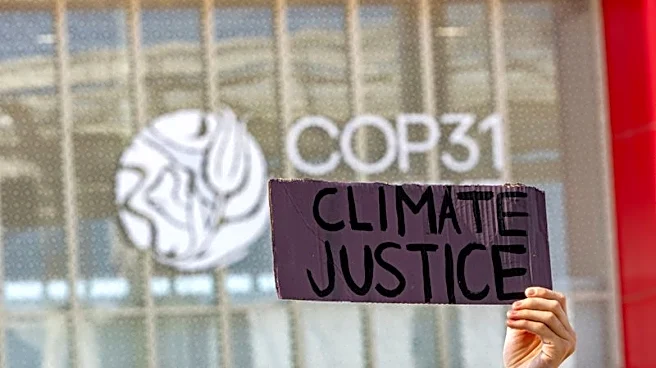
Pacific leaders are strongly advocating for a robust global plastics treaty, emphasizing that plastic pollution is intrinsically linked to the climate crisis. This call was made during a side event at COP31 in Antalya, Turkey, titled 'Pacific Leadership
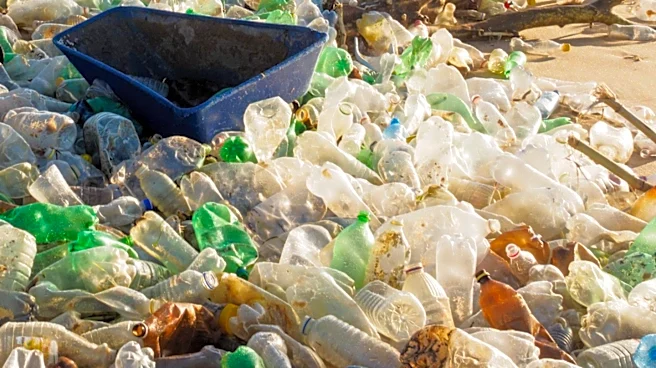
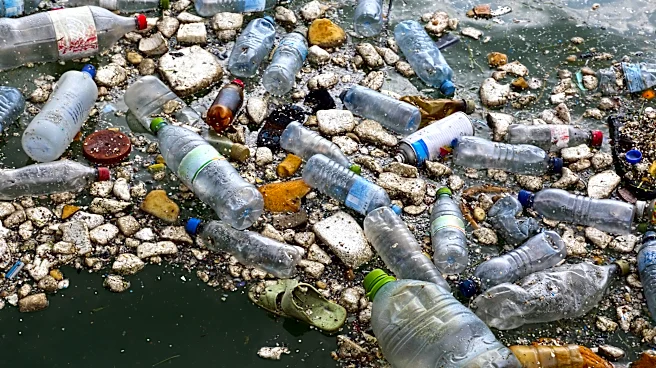
for an Ambitious Global Plastics Treaty.' Minister Ruth Cross Kwansing of Kiribati highlighted how rising tides collect waste, depositing it into the ocean, and noted that some seawalls in her nation are now constructed from rubbish. Anthony Talouli, Director of Waste Management and Pollution Control at the Secretariat of the Pacific Regional Environment Programme (SPREP), stated that voluntary recycling is insufficient to address the global production crisis of plastics. Dr. Maina Talia, Minister for Climate Change and Environment in Tuvalu, expressed dissatisfaction with the stalled treaty talks at INC-5.2 in Geneva, asserting that the Pacific will not accept a weak international agreement. Ilana Seid, Palau’s Permanent Representative to the UN and Chair of AOSIS, warned against a 'waste management treaty' that would not solve the 'tsunami of ocean plastics' threatening their shores, noting the direct health threat to islanders who consume significantly more fish than the global average.
Why It's Important?
The Pacific leaders' unified stance underscores the critical need for a comprehensive global plastics treaty that addresses the entire lifecycle of plastics, not just waste management. Their argument that the plastics crisis is a climate crisis highlights the interconnectedness of environmental challenges and pushes for a more holistic approach to global environmental policy. For the U.S. and other major economies, this perspective implies a need to re-evaluate current plastic production and consumption models, potentially leading to stricter regulations on manufacturing, increased investment in sustainable alternatives, and enhanced international cooperation. The emphasis on a 'strong' treaty, rather than a 'weak' one, signals that Pacific nations are prepared to resist agreements that do not impose significant, legally binding obligations on producers and consumers. This could influence future trade policies, corporate environmental responsibilities, and the development of circular economy initiatives globally, impacting industries from petrochemicals to consumer goods.
What's Next?
The ongoing discussions at COP31 and subsequent international negotiations, such as INC-5.4, will likely see continued pressure from Pacific nations and their allies for a treaty that focuses on reducing plastic production and promoting circularity. The call for the ocean to be a standalone agenda item at COPs suggests a push for more dedicated attention and resources to marine plastic pollution. Major stakeholders, including governments, industries, and environmental organizations, will need to engage in these negotiations to shape the final treaty. Businesses involved in plastic production and packaging may face increased scrutiny and demands for innovation in sustainable materials and design. The outcome of these negotiations could lead to new international standards, trade implications, and national policies aimed at curbing plastic pollution, potentially requiring significant shifts in industrial practices and consumer behavior.
Beyond the Headlines
The demand from Pacific leaders transcends typical environmental policy discussions, framing plastic pollution as an existential threat to their low-lying island nations. This perspective introduces a moral and ethical dimension to the plastics debate, emphasizing environmental justice for communities disproportionately affected by global consumption patterns. The concept of 'climate crisis' and 'plastics crisis' as two sides of the same coin challenges the traditional siloed approach to environmental governance, advocating for integrated solutions. This could trigger long-term shifts in how international bodies address interconnected global challenges, fostering greater collaboration between climate and pollution frameworks. Furthermore, the practical innovations highlighted, such as transforming plastic waste into termite-proof timber and reinforcing concrete for seawalls, demonstrate local resilience and offer scalable solutions that could inspire broader adoption, fostering a global movement towards practical, community-led environmental solutions.