


What's Happening?
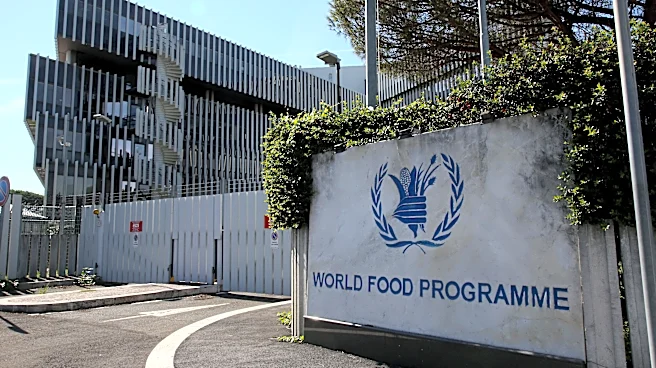
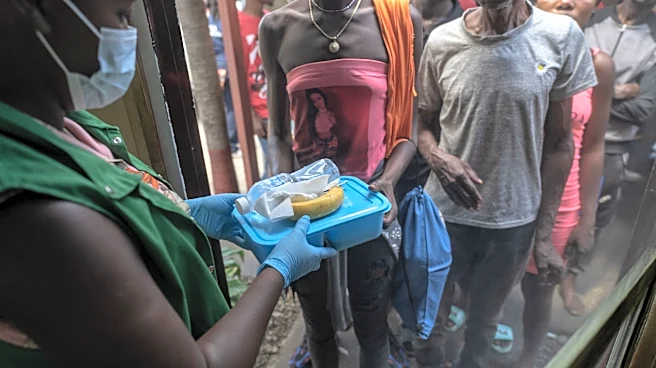
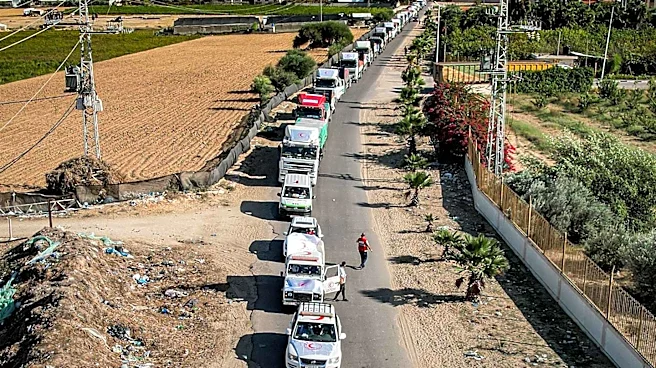
The World Food Programme (WFP) Executive Board has unanimously approved a four-year, US$2.62 billion Country Strategic Plan for the Democratic Republic of Congo (DRC). The plan, running from 2027 to 2030, aims to address the severe hunger crisis in the country,
where over 26.5 million Congolese faced acute hunger in early 2026. While the DRC government supports the plan, Prime Minister Judith Suminwa has requested a rebalancing of resources. Currently, 75.3% of the budget is allocated to emergency humanitarian response, with only 3.8% for social safety nets that support community recovery. Suminwa advocates for a shift towards a 'humanitarian-peace-development nexus' to foster long-term autonomy and development, without compromising life-saving aid.
Why It's Important?
This significant financial commitment from the WFP underscores the dire humanitarian situation in the DRC, particularly in its conflict-affected eastern provinces. For U.S. readers, the decision highlights the scale of international aid required to address global hunger crises and the role of U.S. contributions to such efforts. The DRC government's call for a rebalancing of funds from emergency aid to recovery and development is crucial. It reflects a desire to move beyond perpetual crisis management towards sustainable solutions that build resilience and address the root causes of food insecurity. A successful shift could lead to more stable communities, reduced displacement, and a decrease in reliance on emergency aid, ultimately benefiting the long-term stability of the region and potentially reducing future international intervention costs.
What's Next?
The approved plan is a budget of needs, not guaranteed funding, as WFP relies on voluntary donor contributions. Prime Minister Suminwa's call for financial commitments from partners indicates that securing the full US$2.62 billion will be a key next step. The WFP Executive Board will need to consider the DRC government's request to rebalance the allocation of funds, potentially leading to adjustments in how the 75.3% emergency aid and 3.8% social safety net proportions are distributed. The implementation of the plan from January 2027 will be closely monitored, with a focus on its effectiveness in saving lives, reducing hunger, and fostering peace and development in the DRC. Donor pledges and the WFP's ability to adapt its strategy will be critical in the coming months.
Beyond the Headlines
The WFP's plan and the DRC government's request highlight a broader debate within the international aid community: the balance between immediate humanitarian relief and long-term development. While emergency aid is vital for saving lives, an over-reliance on it can perpetuate cycles of dependency and fail to address underlying vulnerabilities. The 'humanitarian-peace-development nexus' approach advocated by Prime Minister Suminwa represents a paradigm shift, aiming to integrate aid, peacebuilding, and development efforts. This approach recognizes that sustainable peace and food security are intertwined and require comprehensive, multi-faceted interventions. The success of this plan in the DRC could serve as a model for other conflict-affected regions, demonstrating the effectiveness of moving beyond short-term fixes to foster genuine autonomy and development.