





What's Happening?
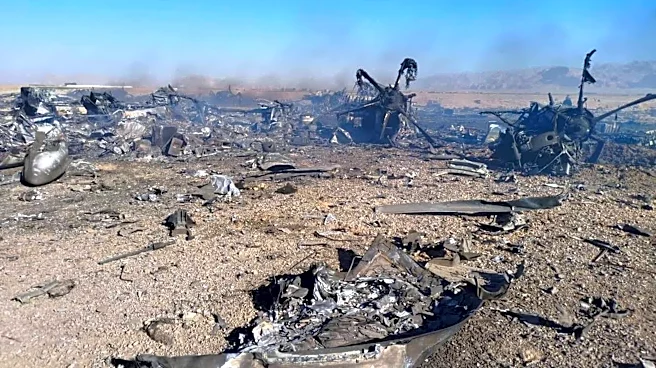
The United States and Iran are evaluating a ceasefire plan to end their five-week-old conflict, as tensions rise over the closure of the Strait of Hormuz. President Trump has issued an ultimatum for Iran to reopen the strait, a critical passage for global
energy supplies, by Tuesday. Iran has resisted pressure, citing its strategic leverage over the strait. A ceasefire proposal, brokered by Pakistan, suggests immediate cessation of hostilities followed by negotiations for a broader peace settlement. However, Iran has rejected U.S. demands as excessive and incompatible with ultimatums. The situation remains volatile, with ongoing military strikes and threats from both sides.
Why It's Important?
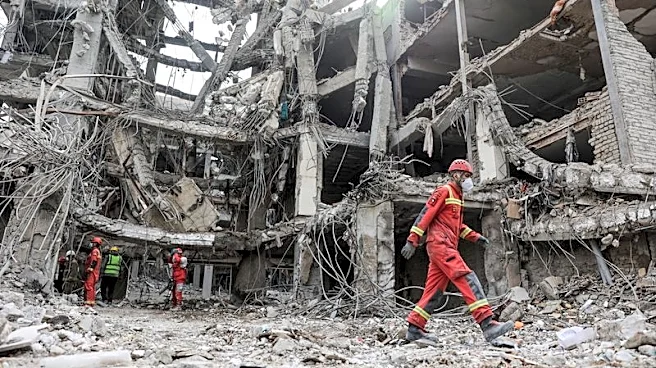
The conflict between the U.S. and Iran has significant implications for global energy markets and regional stability. The Strait of Hormuz is a vital conduit for a substantial portion of the world's oil and natural gas supply, and its closure has already impacted oil prices. The potential for escalation could further disrupt energy supplies and exacerbate economic instability. Additionally, the conflict poses risks to civilian infrastructure and lives, with thousands already affected. The international community is closely monitoring the situation, as any resolution could influence geopolitical dynamics and future diplomatic relations in the Middle East.
What's Next?
President Trump is expected to address the ceasefire proposal at a press conference, while Iran continues to assert its demands through intermediaries. The outcome of these negotiations could lead to either a temporary de-escalation or further military actions. Stakeholders, including regional allies and global energy markets, are likely to react based on the developments. The possibility of a broader peace settlement remains uncertain, contingent on the willingness of both parties to compromise and address underlying issues such as Iran's nuclear program and missile capabilities.
Beyond the Headlines
The conflict raises ethical and legal questions regarding military conduct and the targeting of civilian infrastructure. The Geneva Conventions prohibit attacks on civilian objects, yet both sides have engaged in actions that could be considered war crimes. The lack of jurisdiction by the International Criminal Court complicates accountability. Furthermore, the situation highlights the strategic importance of the Strait of Hormuz and the broader implications for international trade and security. Long-term shifts in regional alliances and power dynamics may result from the resolution of this conflict.