

What's Happening?
The International Energy Agency (IEA) is in discussions with governments in Asia and Europe about potentially releasing more oil from stockpiles due to the ongoing conflict in Iran. This conflict has significantly disrupted global oil supplies, removing
11 million barrels per day from the market, a situation described as more severe than the oil shocks of the 1970s. IEA Executive Director Fatih Birol emphasized that while releasing oil stocks could alleviate some economic pain, it is not a long-term solution. The IEA has already agreed to release 400 million barrels from strategic reserves, representing 20% of their total stock. Birol is currently on a world tour to discuss the crisis, starting in Canberra and planning to visit Japan and attend a Group of Seven meeting.
Why It's Important?
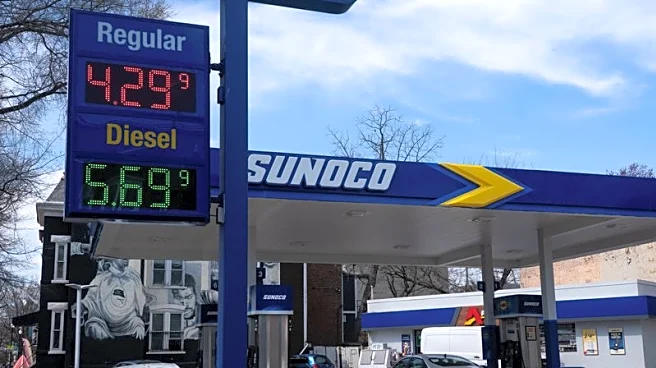
The potential release of oil stockpiles by the IEA is crucial as it addresses the immediate spike in global crude prices, which has caused economic instability and fears of inflation. The disruption in oil supply due to the Iran conflict affects not only energy prices but also the broader global economy, impacting industries reliant on oil and related products. The situation underscores the vulnerability of global energy markets to geopolitical tensions and the importance of strategic reserves in stabilizing markets. The U.S. and other economies could face increased energy costs, affecting consumers and businesses alike.
What's Next?
The IEA will continue to monitor the situation and assess market conditions to determine if further stock releases are necessary. The focus will be on diplomatic efforts to reopen the Strait of Hormuz, a critical passage for global oil transport. The IEA may also consider additional measures to reduce energy consumption, such as promoting work-from-home policies or lowering speed limits, as previously implemented in Europe. The outcomes of Birol's discussions with international leaders could shape future energy policies and strategies to mitigate the crisis.