




What's Happening?
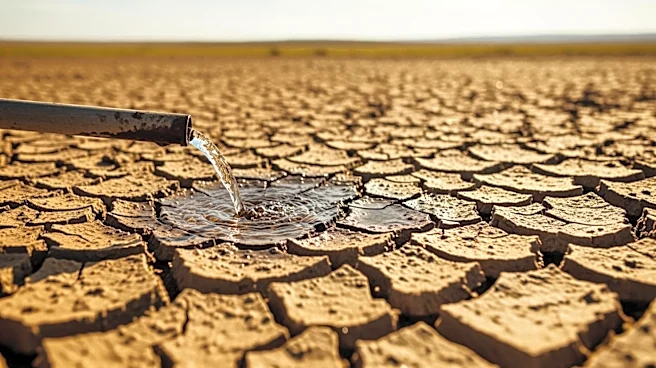
The Ogallala Aquifer, a crucial water source spanning eight states from South Dakota to Texas, is experiencing significant depletion due to decades of overpumping for agricultural irrigation. This depletion is threatening the sustainability of agriculture
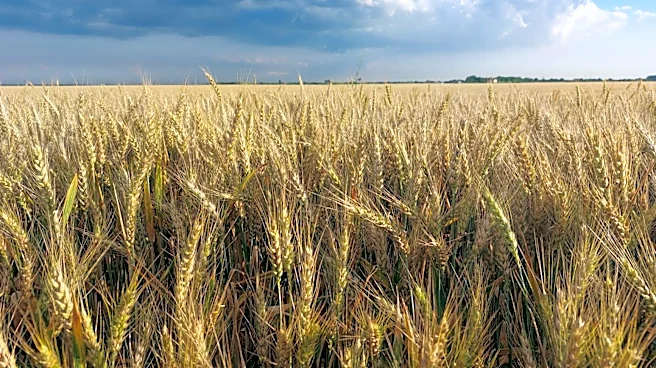
and the future of rural communities in the High Plains. Water levels in Kansas have dropped an average of 28.2 feet since the mid-20th century, with even more severe declines in Texas. The aquifer supports 20% of the nation's wheat, corn, cotton, and cattle production, and represents 30% of all water used for irrigation in the U.S. Without drastic measures, some communities may face dire futures as water becomes increasingly scarce.
Why It's Important?
The depletion of the Ogallala Aquifer poses a significant threat to the agricultural industry, which is a major economic driver in the High Plains region. As water levels continue to drop, the cost of accessing water will increase, potentially leading to higher food prices and economic instability in rural areas. The situation highlights the need for sustainable water management practices and policy interventions to ensure the long-term viability of agriculture and the communities that depend on it. The issue also underscores the broader challenges of water scarcity and resource management in the face of climate change.
What's Next?
Efforts to address the aquifer's depletion include digging deeper wells, purchasing water rights, and implementing water recycling and conservation programs. However, these measures may not be sufficient without coordinated policy action at the state and federal levels. Stakeholders, including farmers, policymakers, and community leaders, must collaborate to develop sustainable water management strategies. The situation may also prompt increased investment in water-saving technologies and alternative agricultural practices. The future of the region's agriculture and communities will depend on the ability to adapt to these challenges.