





What's Happening?
The Internal Revenue Service (IRS) is set to revise Form 990, which is used by tax-exempt organizations, including charities, to enhance transparency and uncover potential fraud and hidden funding sources. This move, announced by the Treasury Department,
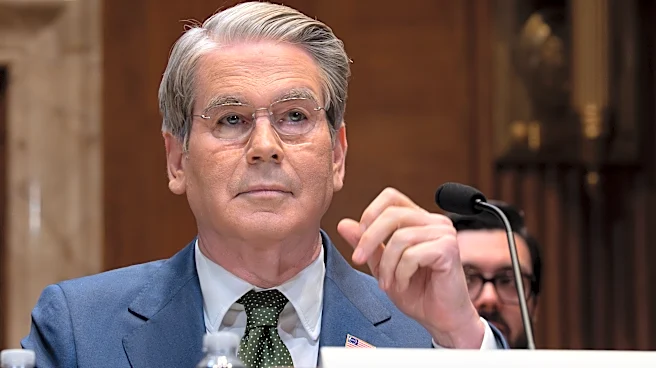
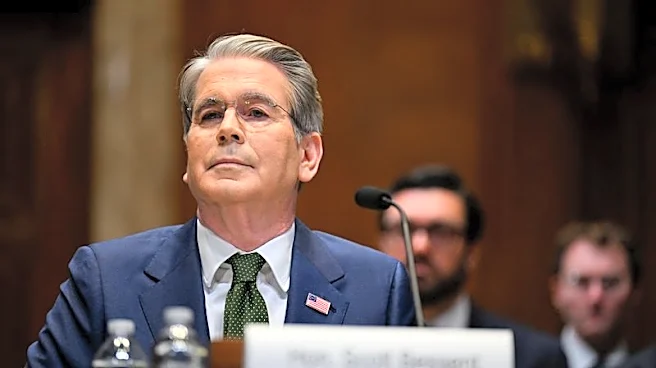
aims to improve the clarity of reporting on the activities of organizations operating under Section 501(c)(3) of the Tax Code. The revisions are intended to provide better insight into government contracts, grants, and fiscal sponsorship arrangements, thereby reducing the risk of fraud and misuse of taxpayer dollars. Treasury Secretary Scott Bessent emphasized the need for public accountability, stating that transparency can lead to scrutiny and accountability under the law. The IRS plans to publish proposed regulations and seek public comments before finalizing any changes, considering factors such as administrative feasibility and reporting burden.
Why It's Important?
This initiative is significant as it addresses concerns about the misuse of tax-exempt status and public funds by some organizations. By increasing transparency, the IRS aims to prevent fraud and ensure that funds are used appropriately, aligning with public expectations of accountability for organizations receiving tax-deductible donations or public funds. The move could impact a wide range of stakeholders, including charities, donors, and government agencies, by ensuring that funds are not diverted for unauthorized purposes. It also reflects broader efforts by the government to scrutinize and regulate the nonprofit sector more closely, potentially affecting how these organizations operate and report their financial activities.
What's Next?
The IRS and Treasury Department will develop proposed regulations for the revised Form 990, which will be open for public comment. This process will involve balancing the need for transparency with the administrative burden on organizations. Stakeholders, including nonprofit organizations and advocacy groups, are likely to engage in this process to influence the final regulations. The IRS's recent 'Whistleblower Alert' also suggests increased enforcement actions against organizations found to be misusing funds, indicating a potential rise in investigations and legal actions in the sector.