






What's Happening?
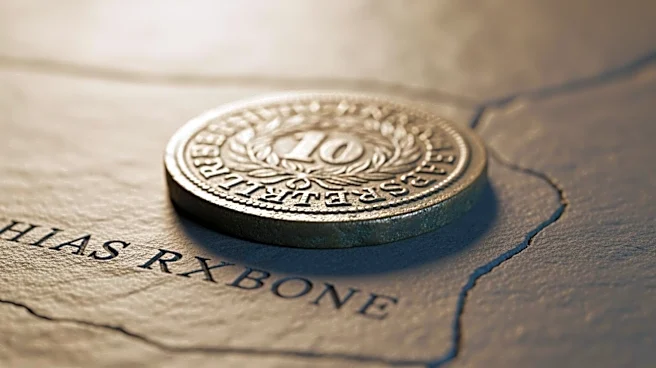
Archaeologists working beneath Notre Dame Cathedral in Paris have uncovered a fourth-century coin and mysterious inscriptions, in what has been dubbed the 'dig of the century.' The excavation, initiated to prepare the area for new landscaping, has revealed
layers of history dating back to Roman times. Among the finds are a coin bearing the image of Emperor Constantine and shards of medieval pottery with undeciphered markings. The dig has provided a rare opportunity to explore the historical layers beneath the cathedral, offering insights into the city's past from Roman to medieval times.
Why It's Important?
This archaeological discovery is significant as it sheds light on the rich historical tapestry of Paris, revealing artifacts that span centuries. The findings contribute to our understanding of the city's evolution and the various civilizations that have inhabited it. The excavation not only enhances the historical narrative of Notre Dame but also underscores the importance of preserving and studying urban archaeological sites. Such discoveries can influence cultural heritage policies and tourism, drawing attention to the historical significance of urban centers and potentially boosting local economies through increased visitor interest.
Beyond the Headlines
The excavation at Notre Dame highlights the complex relationship between modern urban development and historical preservation. As cities continue to grow, balancing infrastructure needs with the protection of archaeological sites becomes increasingly important. The findings at Notre Dame may prompt further exploration of other historical sites in Paris and beyond, encouraging a deeper appreciation for the layers of history beneath modern cities. Additionally, the mysterious inscriptions found on the pottery could lead to new research and insights into medieval communication and symbolism.