





What's Happening?
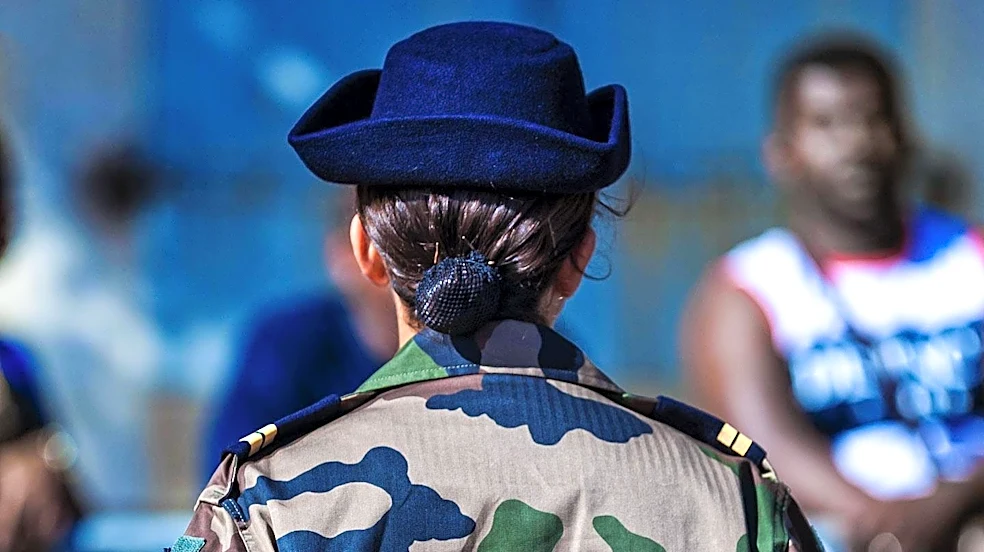
The EU Border Assistance Mission in Libya (EUBAM Libya) is actively supporting Libyan authorities in enhancing border management and security across land, maritime, and air borders. Chief Inspector Ana Soteras of the Spanish National Police, serving as Head
of Border Management at EUBAM Libya, emphasizes a collaborative approach focused on understanding local challenges before offering European expertise. The mission provides strategic and operational assistance through advisory support, collaboration, training, and mentoring to relevant Libyan institutions. Daily activities involve discussions on border management reforms, preparing specialized training for investigators, and coordinating with international partners. The Border Management Unit, composed of professionals from diverse nationalities and backgrounds, works alongside Libyan authorities to tackle cross-border crime, including organized crime, human trafficking, and irregular migration. This initiative aims to strengthen Libya's capacity to manage its own borders, thereby addressing security challenges that impact both Libya and the European Union.
Why It's Important?
This initiative is crucial for regional stability and security, directly impacting the flow of irregular migration and the fight against organized crime, issues that have significant implications for both Libya and the European Union. By bolstering Libya's border management capabilities, EUBAM Libya helps to create a more secure environment, which can contribute to broader stability in the Mediterranean region. The inclusion of women in border management is highlighted as vital, as female officers often bring different approaches to communication and problem-solving, particularly when dealing with vulnerable groups like victims of human trafficking. This not only improves operational effectiveness but also builds trust within communities and ensures procedures adhere to international standards. Strengthening these capabilities can also indirectly affect U.S. interests by contributing to a more stable North Africa, reducing potential breeding grounds for extremist groups, and mitigating humanitarian crises that could require international intervention.
What's Next?
EUBAM Libya plans to continue its ongoing projects, which include enhancing infrastructure and operational readiness at western Libyan border crossing points. The mission will also further develop training courses tailored to the interests of Libyan institutions, such as human trafficking investigation. Additionally, there will be continued preparation and facilitation of study visits to provide practical experiences in a European context, focusing on migration management, international cooperation, and border policing. The mission aims to foster stronger working relationships with Libyan counterparts and other international actors, including the EU Delegation in Libya, UN organizations, and the ICMPD. The long-term goal is to ensure sustainable change by building trust, strengthening institutions, and promoting professional standards that benefit both Libya and the European Union in managing shared security challenges.
Beyond the Headlines
The deeper implications of EUBAM Libya's work extend beyond immediate border security. By investing in capacity-building and promoting the inclusion of women in security sectors, the mission is contributing to broader institutional reform and societal development in Libya. The emphasis on understanding local contexts and fostering genuine partnerships rather than imposing external solutions is critical for long-term success and sustainability. This approach helps to build local ownership and resilience, which are essential for Libya's post-conflict recovery and stability. Furthermore, the collaboration between European and Libyan experts fosters a mutual understanding of shared challenges and promotes a more integrated approach to regional security. This can lead to a more robust framework for addressing transnational threats, ultimately contributing to a more secure and stable international environment.