


What's Happening?
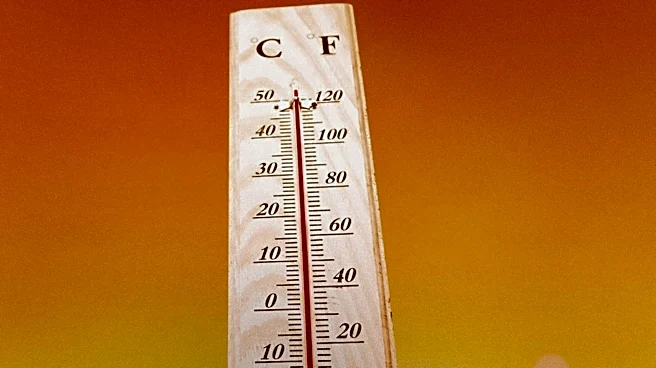
Europe is currently experiencing a severe heat wave, with Italy issuing a nationwide red alert for all major cities. Temperatures have soared above 40 degrees Celsius (104 Fahrenheit) across the continent, setting a national temperature record in Austria
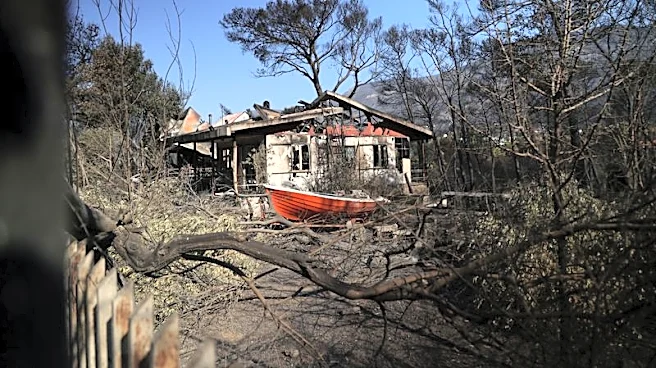
and causing widespread disruptions. The heat wave has led to health warnings, wildfires, and challenges to energy and transport systems. In Italy, the Health Ministry has placed all 27 cities under the highest heat alert, urging residents and tourists to avoid direct sunlight and stay hydrated. The extreme weather conditions have also affected tourism, with adjustments made at major attractions to accommodate the heat.
Why It's Important?
The current heat wave in Europe highlights the increasing frequency and intensity of extreme weather events, which are often linked to climate change. These conditions pose significant challenges to public health, infrastructure, and economic activities. The heat wave has exposed vulnerabilities in energy systems, with drought-related disruptions affecting power generation and transportation. The situation underscores the need for governments and businesses to adapt to more frequent periods of extreme weather, which could have long-term implications for public policy and climate resilience strategies.
Beyond the Headlines
The heat wave in Europe serves as a stark reminder of the broader impacts of climate change, prompting discussions on the need for sustainable practices and policies to mitigate future risks. The situation also raises ethical considerations regarding the responsibility of nations to address climate change and protect vulnerable populations. As extreme weather events become more common, there may be increased pressure on governments to implement measures that enhance climate resilience and reduce carbon emissions.