









What's Happening?
A convergence of geopolitical tensions and severe weather conditions is creating a crisis in global agriculture. The conflict in the Black Sea region has intensified, with Ukraine launching drone strikes on Russian vessels, leading to a suspension of shipping
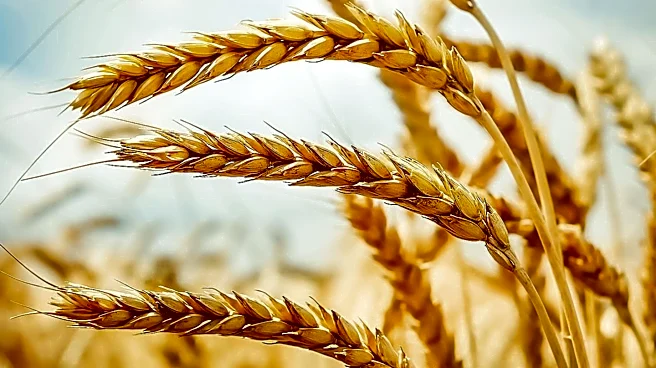
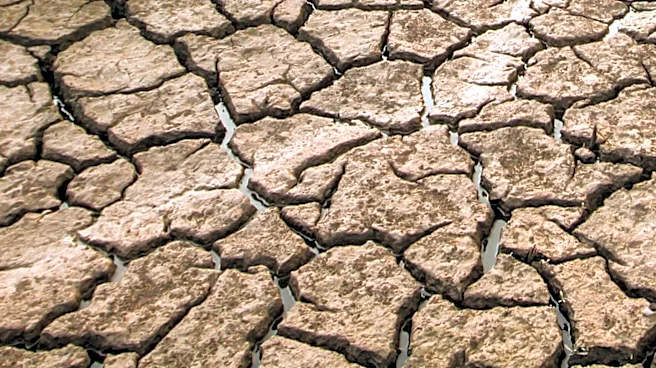
in the Sea of Azov and the closure of the Kerch Strait. This disruption affects a significant portion of Russia's grain exports, causing wheat prices to spike. Concurrently, Europe is experiencing its worst drought in three decades, severely impacting corn production. The drought, coupled with a heatwave, has led to a drastic reduction in soil moisture, particularly in France, the EU's top grain producer. This situation is exacerbated by the critical timing of the drought, as it coincides with the corn crop's sensitive pollination phase, potentially leading to irreversible yield losses.
Why It's Important?
The developments in the Black Sea and Europe have significant implications for global food security and commodity markets. Russia is a major wheat exporter, and disruptions in its supply chain can lead to increased global prices, affecting food costs worldwide. The European drought further strains the supply of corn, a staple in many diets and a key feedstock for livestock. These factors contribute to volatility in agricultural markets, impacting farmers, traders, and consumers. The situation underscores the vulnerability of global food systems to geopolitical and environmental shocks, highlighting the need for resilient agricultural practices and diversified supply chains.
What's Next?
The future of global agriculture will depend on the resolution of the Black Sea conflict and the progression of weather patterns in Europe. Any de-escalation in the Russia-Ukraine tensions could stabilize wheat prices, but the ongoing drought in Europe suggests that corn prices may remain high. Stakeholders, including governments and agricultural businesses, will need to monitor these developments closely and consider strategies to mitigate risks, such as diversifying import sources and investing in drought-resistant crop technologies. The situation also calls for international cooperation to address the broader challenges of climate change and food security.