








What's Happening?
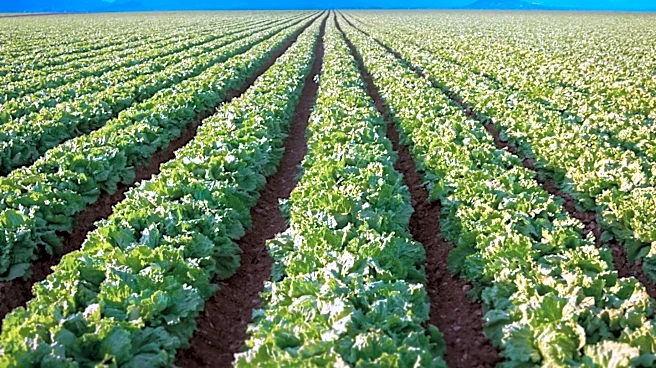
A Cyclospora outbreak linked to contaminated iceberg lettuce has led to widespread product recalls across the United States. Major retailers like Walmart and restaurant chains such as Taco Bell have removed potentially affected products from their offerings.
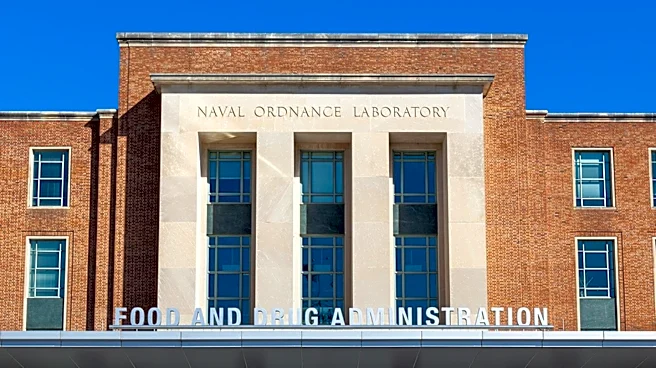
The Centers for Disease Control and Prevention (CDC) reports over 1,644 illnesses and 94 hospitalizations across five states, including Indiana, Kentucky, Michigan, Ohio, and West Virginia. The outbreak has been traced to shredded iceberg lettuce supplied by Taylor Farms, which has initiated a voluntary recall of all iceberg lettuce sourced from central Mexico. The U.S. Food and Drug Administration (FDA) is involved in the investigation, which is ongoing. The recall affects products distributed to 27 states, and federal officials are working to identify the source of contamination.
Why It's Important?
The outbreak highlights significant concerns about food safety and the supply chain's vulnerability to contamination. With over 1,600 reported illnesses, the situation underscores the importance of stringent food safety protocols and rapid response mechanisms to prevent widespread health impacts. Retailers and restaurants face potential reputational damage and financial losses due to the recall. Consumers are advised to discard affected products, which could lead to increased scrutiny of food sourcing practices. The incident may prompt regulatory bodies to review and possibly tighten food safety regulations, impacting how food is sourced and distributed in the U.S.
What's Next?
The CDC and FDA will continue their investigation to pinpoint the exact source of the contamination. As the investigation progresses, more companies may announce additional recalls or issue customer notifications. Health authorities are advising consumers to avoid recalled products and seek medical attention if they experience symptoms of cyclosporiasis. The situation may lead to increased regulatory oversight and changes in food safety practices to prevent future outbreaks. Retailers and suppliers will likely review their supply chain protocols to mitigate risks and restore consumer confidence.