






What's Happening?
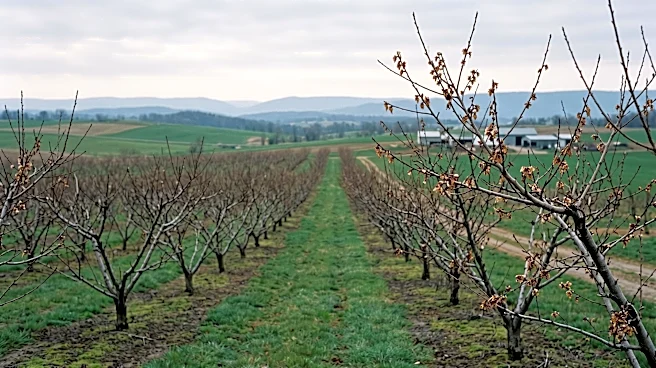
Pennsylvania fruit growers are experiencing a challenging harvest season due to damaging April freezes that severely impacted tree fruit crops. According to Sarah Zost, president of the State Horticultural Association of Pennsylvania, some growers have
lost nearly all their tree fruit, while others are harvesting only a fraction of their usual yield. Daniel Weber, a horticulture and commercial tree fruit educator with Penn State Extension, noted that peach and cherry crops were particularly hard hit, with most peaches lost and cherries and apricots producing little to no fruit. While apples fared somewhat better, yields vary significantly across orchards. Further challenges included a hailstorm in the Adams County fruit-growing region and heavy rain and winds that toppled apple trees. The impact is expected to be most noticeable at local farm markets, roadside stands, and pick-your-own orchards, as large grocery chains can source fruit from other states and countries.
Why It's Important?
The severe crop losses in Pennsylvania's fruit industry have significant economic and social implications for the state. For growers, the financial burden extends beyond lost sales, as they must still incur costs for orchard maintenance, pest control, and disease prevention to ensure future productivity. This situation has led some farms to reduce worker hours, lay off employees, or forgo hiring seasonal crews, impacting local employment and spending at businesses like gas stations, restaurants, and laundromats. Consumers will likely face fewer varieties, higher prices, or a complete absence of certain fruits at local markets, potentially altering traditional fall activities like visiting pick-your-own orchards. The need for growers to import fruit from other states, such as South Carolina, highlights the disruption to local supply chains and the economic strain on Pennsylvania's agricultural sector.
What's Next?
In response to the widespread losses, Penn State Extension is providing critical support to growers, including advice on managing orchards without a crop and explaining the freeze's effects to U.S. Department of Agriculture officials. This assistance helped secure a federal disaster designation, making federal aid available to eligible producers through the USDA's Farm Service Agency. Additionally, a $10 million state relief program is available for producers who suffered crop losses. Growers are encouraged to document their losses and explore available assistance. For consumers, supporting local farms and markets, even by purchasing non-fruit items like cider doughnuts or jams, is crucial. Some markets are expanding their offerings to include more vegetables or other products to offset lost fruit sales. Extension services will continue to provide guidance, such as weekly apple maturity reports, to help growers optimize harvesting practices for the remaining crops.
Beyond the Headlines
The extensive crop damage in Pennsylvania underscores the increasing vulnerability of agricultural systems to extreme weather events, a potential long-term consequence of climate change. This situation highlights the delicate balance between agricultural production and environmental factors, prompting discussions about resilience strategies for local food systems. The reliance on federal and state assistance programs also brings into focus the role of government support in mitigating the economic impact of such disasters on individual farmers and the broader agricultural economy. Furthermore, the shift in consumer experience at local markets, with fewer local fruit options, could lead to a re-evaluation of local food sourcing and the importance of supporting regional agriculture. The ethical dimension of identifying the origin of imported produce at local markets also comes into play, emphasizing transparency for consumers who prioritize locally grown products.